Mastering skincare: Build your routine for radiant, healthy skin
The right daily skincare routine plays a vital role in maintaining overall skin health by supporting the skin’s natural functions and resilience. A consistent routine can also help address specific concerns such as acne, scarring, hy
Importantly, an effective routine doesn’t need to be complex. Rather than striving for perfection, establishing a few well-chosen steps as part of your daily ritual can strengthen the skin barrier, enhance long-term skin wellbeing and provide a grounding start and end to your day.perpigmentation and uneven texture.
Table of Contents
The Key to a Successful Skincare Routine: Patience and Consistency
Before exploring how to build an effective skincare routine, it is important to understand the fundamental steps that form the foundation of any regimen. These can be divided into essential and optional categories:
Essential steps:
- Cleansing
- Moisturising
- SPF (Sun Protection Factor)
Optional (targeted) steps:
- Exfoliants
- Treatment serums
- Eye cream
A successful routine relies on patience and consistent application. Skincare is highly individual, and what works effectively for one person may produce different results for another. The most reliable approach is to understand your skin’s specific needs and introduce products slowly and intentionally.
It is also important to recognise that results take time. The skin renews itself in cycles of approximately 4–6 weeks, and noticeable improvements may require several cycles. Many optional, treatment-based products such as exfoliating acids, active serums or eye creams should be incorporated gradually to allow the skin to adapt.
By building your routine on a few essential steps and introducing targeted treatments thoughtfully, you support your skin’s long-term health and give it the time it needs to respond and improve.
The Importance of a Skincare Routine
Establishing a consistent skincare routine is essential for maintaining a healthy, balanced and radiant complexion. A well-structured regimen supports the skin’s natural functions by cleansing, hydrating and protecting it from external stressors, while also addressing individual concerns such as sensitivity, breakouts, pigmentation or early signs of ageing.
Beyond its physical benefits, a skincare routine also contributes to overall wellbeing. Dedicating time to care for your skin can reinforce positive self-care habits, enhance self-confidence and provide a calming moment of routine within a busy day. In this way, skincare becomes not only a functional practice but also a meaningful investment in both skin health and personal wellness.
Understanding Your Skin
Understanding your skin is the first and most important step in developing an effective skincare routine. Skin types vary according to factors such as oil production, sensitivity, and hydration levels. Some individuals may have dry skin, others oily, while many have a combination of both.
By identifying your skin type, you can tailor your skincare regimen to meet its specific needs, ensuring that each product supports overall skin health and enhances the complexion’s appearance. A targeted approach helps address common concerns such as irritation, breakouts, dryness, and pigmentation, maximising the effectiveness of your routine and promoting a more balanced, even-toned complexion.
Building Your Skincare Routine: A Step-by-Step Guide
A skincare routine can be as simple or as detailed as you like. For many, cleansing, moisturising, and SPF provide the essential foundation for healthy, protected skin.
Adding optional steps, including targeted treatments and specialty products, can further address concerns such as hydration, oil control, pore minimisation, hyperpigmentation or aging-related changes, enhancing overall skin health and appearance.
The following guide outlines a professional approach to building an effective routine:
1. Cleansing
Cleansing is the cornerstone of any skincare routine. It removes dirt, excess oils, makeup, and other impurities, helping to prevent clogged pores and breakouts. A proper cleanse also prepares the skin to better absorb subsequent products.
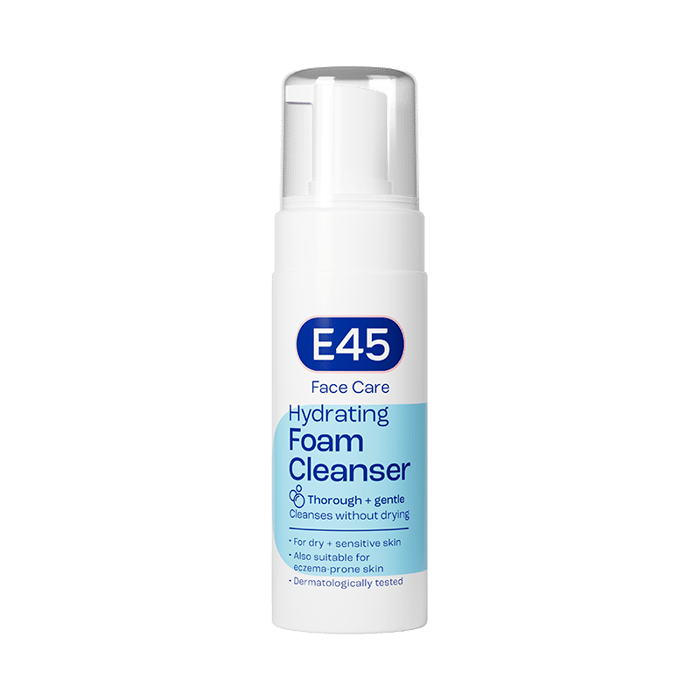
For sensitive skin, a gentle cleanser such as the E45 Face Foaming Cleanser is recommended. Apply to damp skin, massage gently, and rinse thoroughly.
2. Moisturising
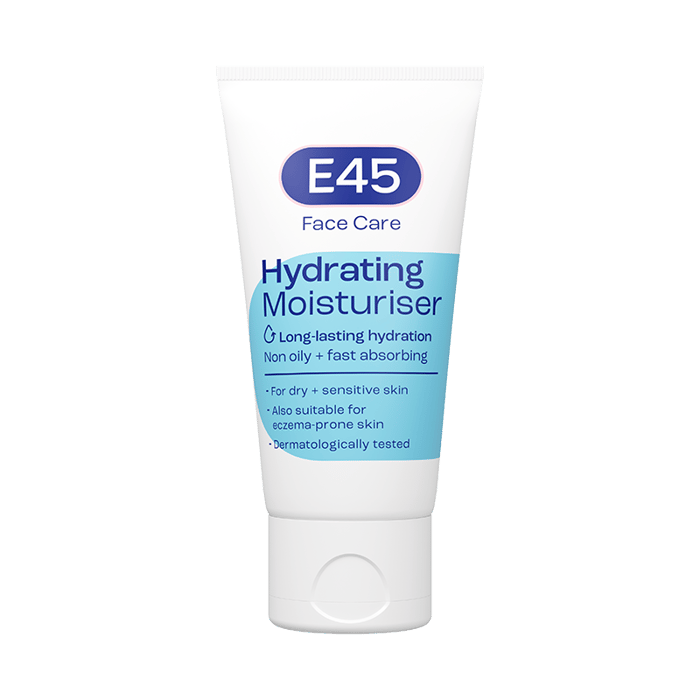
Moisturising helps to lock in hydration and strengthen the skin’s natural barrier, protecting against environmental stressors. A lightweight formula, such as E45 Face Moisturiser, provides effective hydration without leaving a greasy residue.
Apply a five pence-sized amount, spreading evenly across the face, and extend down to the neck and décolletage.
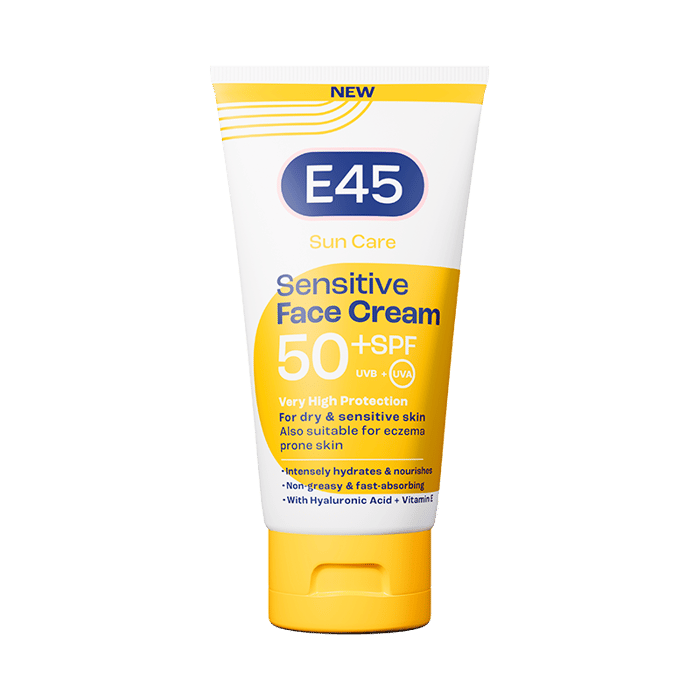
3. Sun Protection
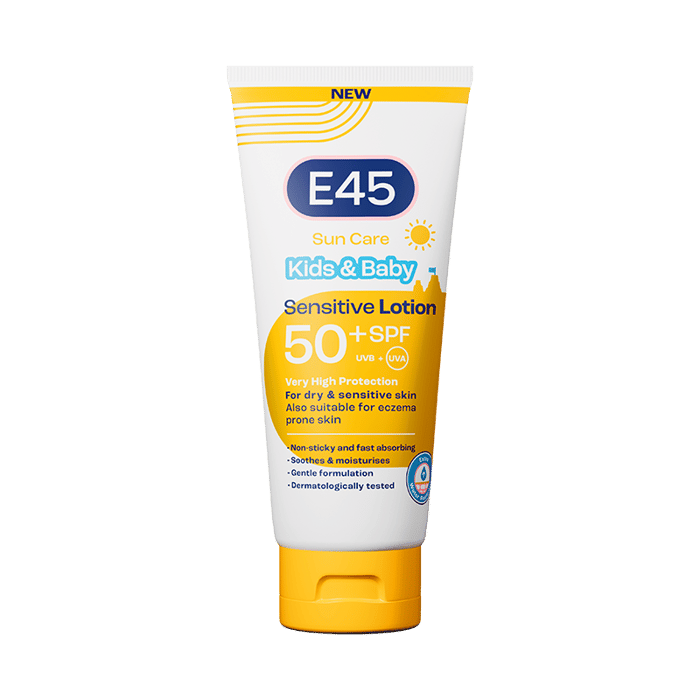
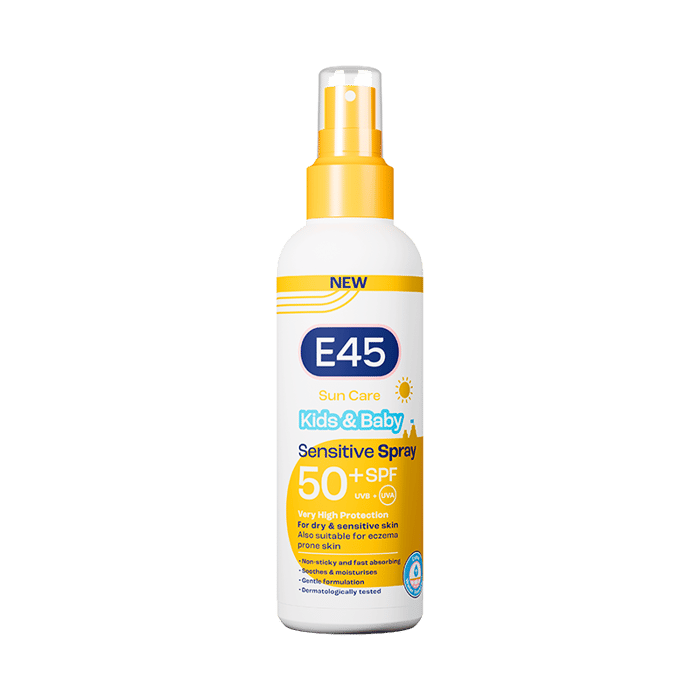
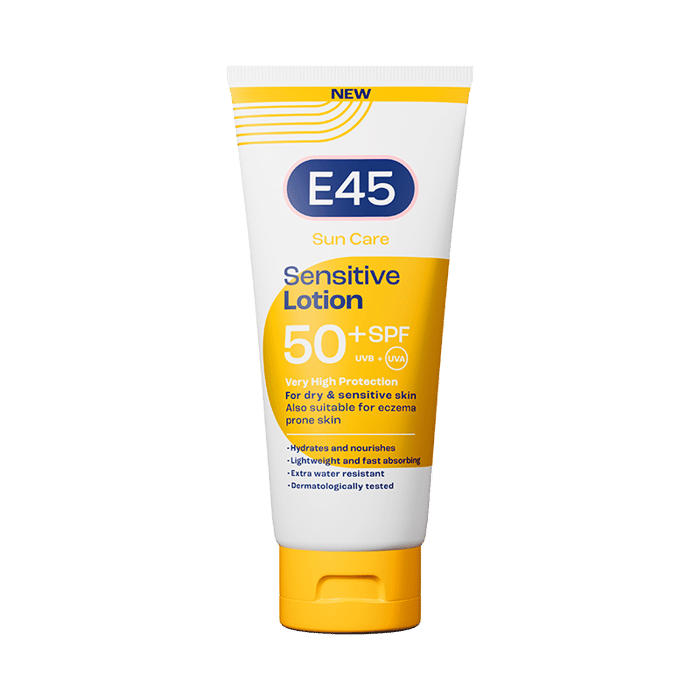
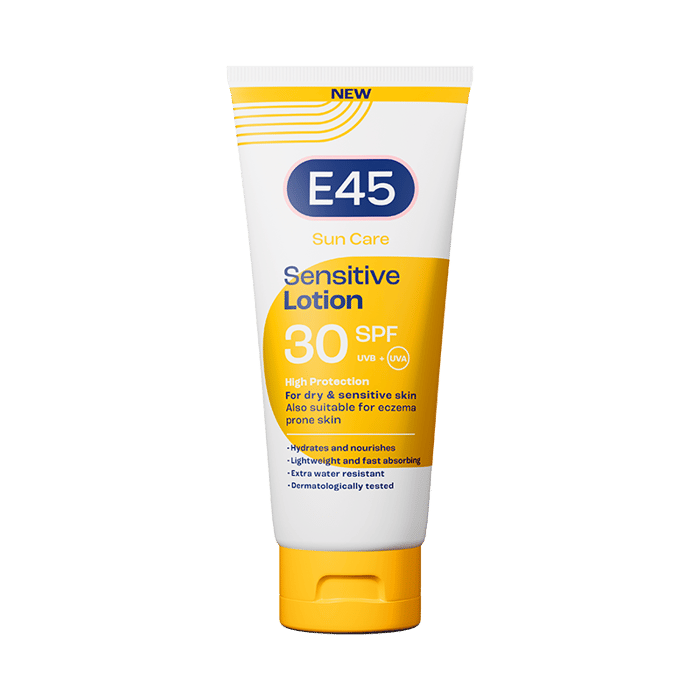
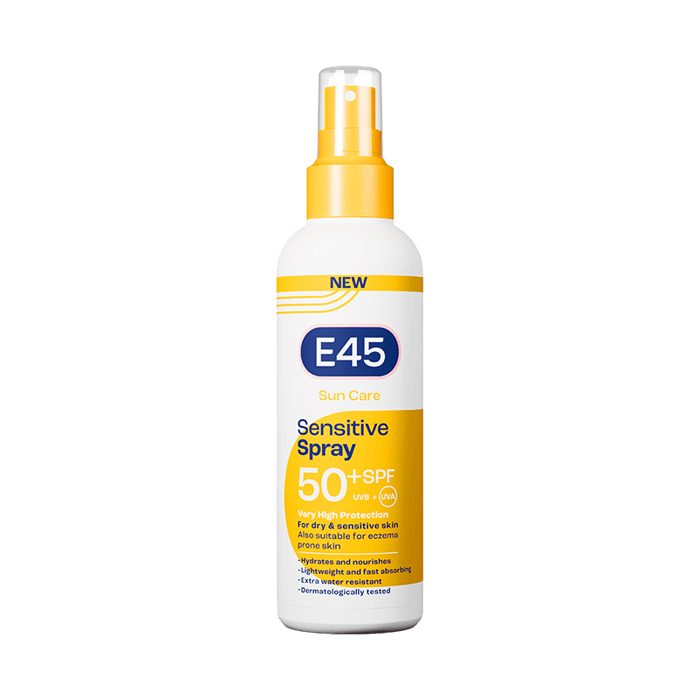
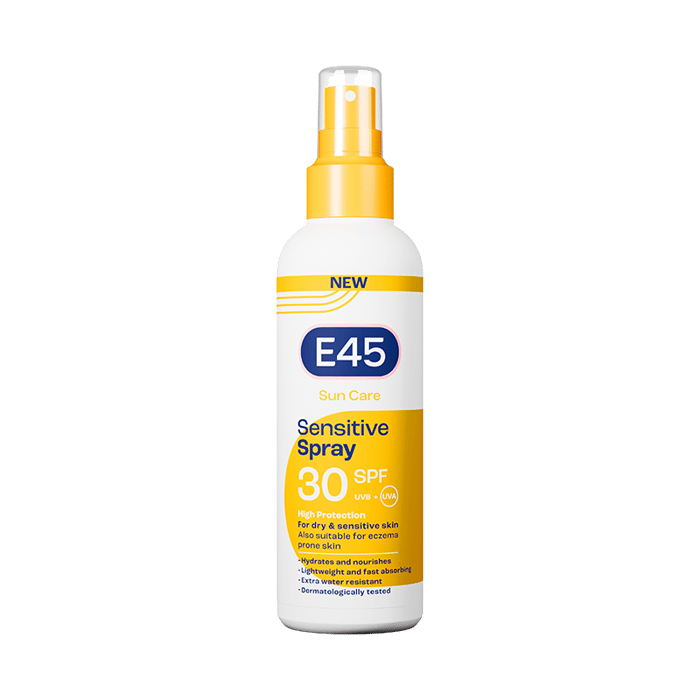
Sunscreen is the most important step in protecting your skin from UV-related damage, including premature ageing, hyperpigmentation, and skin cancer. UV rays can penetrate clouds and glass, so daily protection is essential—even on overcast days.
Apply a generous amount to all exposed areas of skin. For the face, neck, and décolletage, approximately ¼ teaspoon or 2 fingers length is recommended. (For more detailed guidance on the correct amount of sunscreen, refer to our Guide to SPF article.)
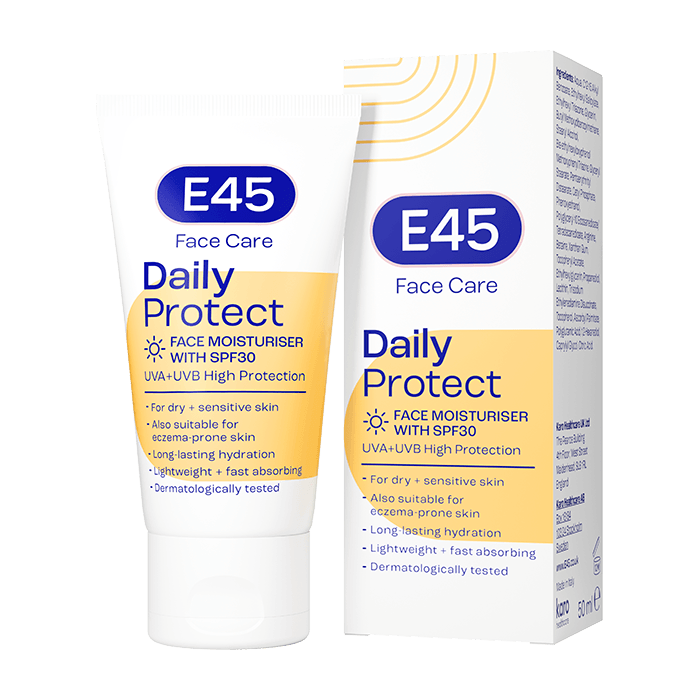
You may also choose a moisturiser containing SPF, such as E45 Face Daily Protect, to combine hydration and sun protection in one step.
Optional additional steps
Treatment Products
Treatment products target specific skin concerns and deliver active ingredients deep into the skin. Depending on the product, apply it to the entire face or to targeted areas, following the manufacturer’s instructions.
Examples include:
- Hyaluronic Acid Serum: Hydrates and plumps the skin.
- Vitamin C Serum: Brightens the complexion and provides antioxidant protection.
- Retinol Serum: Accelerates skin renewal, reduces fine lines and wrinkles, and evens skin tone.
- Niacinamide Serum: Reduces redness, regulates oil production, and improves texture.
- Peptide Serum: Supports collagen production and skin elasticity.
- Salicylic Acid Serum: Ideal for oily or acne-prone skin; unclogs pores and reduces inflammation.
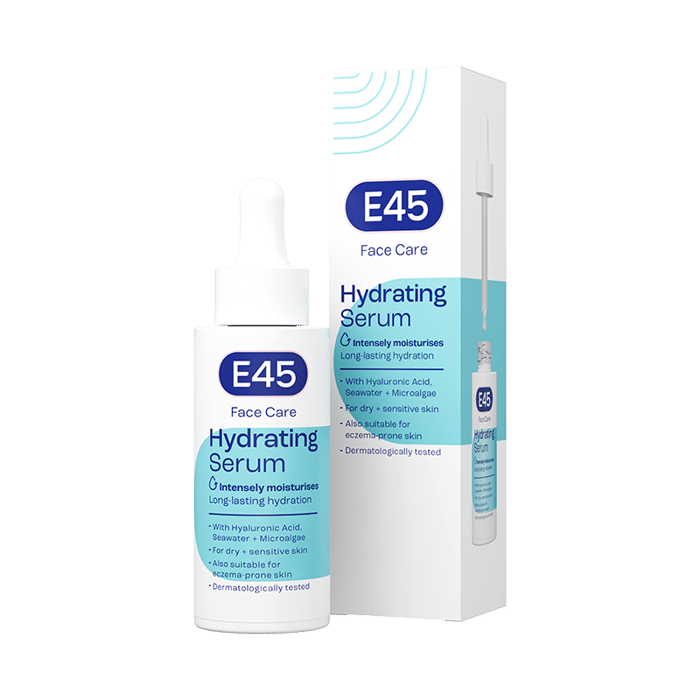
For fragrance-free hydration suitable for dry or sensitive skin, E45 Face Hydrating Serum containing hyaluronic acid is an excellent option.
Eye Cream
The skin around the eyes is delicate and often shows signs of ageing first. Eye creams are formulated to hydrate and address concerns such as puffiness, dark circles, or fine lines. Apply a small amount using your ring finger, gently dabbing around the entire orbital bone while avoiding the lash line.
Exfoliation
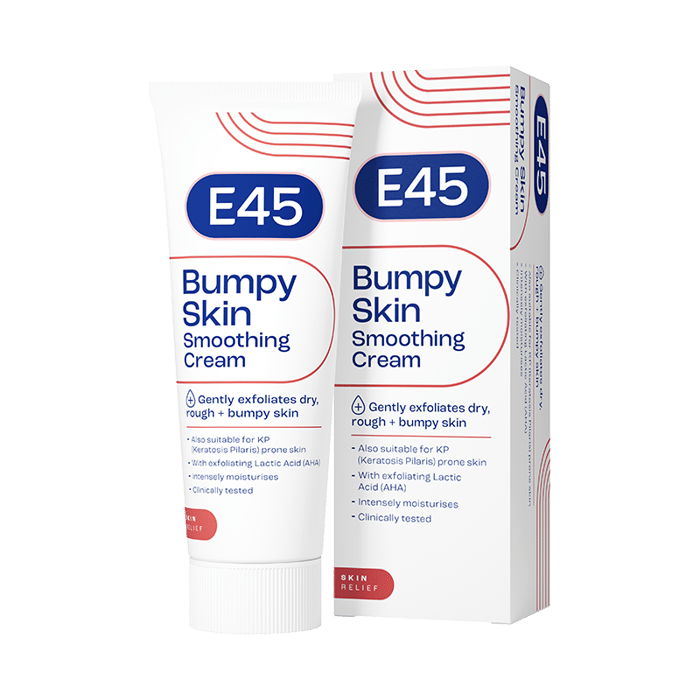
Exfoliation removes dead skin cells, helping to unclog pores, prevent acne, and promote a radiant complexion. It should be performed sparingly, typically no more than 1–2 times per week, to prevent irritation. Individuals with eczema or highly sensitive skin should exercise caution and use only products suitable for their skin type.
By consistently following the essential steps, cleansing, moisturising, and daily SPF, and incorporating optional treatments and specialty steps thoughtfully, you can maintain healthy, resilient skin while addressing individual concerns. Each step in this routine serves a specific purpose, and together they work to enhance skin health, appearance, and overall wellbeing.
Personalising Your Skincare Routine
Every individual’s skin is unique, and an effective skincare routine should be tailored to your skin’s specific needs, complement your lifestyle, and align with your personal preferences.
Understanding Your Skin Needs
Begin by identifying your skin type – normal, dry, oily, or combination – and noting any specific concerns such as sensitivity, acne, eczema, rosacea, premature ageing, or hyperpigmentation. This assessment will guide your choice of products.
- Dry or dehydrated skin benefits from hydrating products containing ingredients like hyaluronic acid.
- Oily or acne-prone skin may require oil-free or non-comedogenic formulations.
- For conditions such as eczema or psoriasis, refer to expert guidance to select products that support skin health and minimise irritation.
Aligning with Your Lifestyle
The complexity of your routine should reflect your daily habits. If mornings are rushed, a simplified routine may be most practical, while evenings can accommodate a more extensive regimen. Frequent travellers may benefit from travel-sized or multi-purpose products to maintain consistency while on the go.
Considering Personal Preferences
Your preferences can help shape your skincare choices. You might opt for natural, organic, cruelty-free, or vegan products, avoid certain fragrances or ingredients, or prioritise specific textures or packaging formats. Budget considerations may also influence product selection.
Enjoyment and Consistency
The most effective routine is one that you enjoy and can maintain consistently. Skincare is most beneficial when applied mindfully as part of a self-care ritual rather than a chore. Choosing products that feel pleasant to use encourages adherence, which is key to achieving long-term results.
Evaluating and Adjusting Over Time
Skin changes naturally over time due to age, diet, climate, and hormonal shifts. Regularly evaluating and adjusting your routine ensures it continues to meet your skin’s evolving needs.
There is no universal skincare regimen, the best routine is as unique as you are.
While finding the ideal combination of products may require some experimentation, a personalised approach will help you achieve and maintain healthy, radiant skin over the long term.
The Final Touches to Your Skincare Routine
Incorporating Healthy Lifestyle Habits for Radiant Skin
Your daily lifestyle choices play a vital role in supporting the effectiveness of your skincare routine. A balanced, nutrient-rich diet, regular physical activity, adequate hydration and consistent, restorative sleep all contribute to healthier, more resilient and naturally radiant skin.
These habits complement your topical skincare products, helping to strengthen the skin from within and maintain long-term skin health.
Seek Professional Advice When Needed
If you experience persistent or severe skin concerns, it is advisable to consult a dermatologist or qualified skincare professional. They can assess your skin, identify underlying issues and recommend tailored treatments or products to support your individual needs.
Conclusion
Your skin plays an important role in reflecting your overall health and wellbeing. A consistent, well-structured skincare routine not only enhances the appearance and resilience of your skin but can also contribute to greater confidence and self-care. By understanding your skin’s needs and choosing products that support its health, you can take meaningful steps toward achieving a radiant, balanced complexion.
If you have a sensitive skin type, you may find our dedicated guide to skincare for sensitive skin particularly helpful.
FAQ: Skincare Routine
How should I start my skincare routine?
Begin by identifying your skin type – whether it is oily, dry, combination or sensitive – and determining any specific concerns such as acne, hyperpigmentation, or premature ageing. Once you understand your skin’s needs, select products formulated to address those concerns. A foundational routine typically includes cleansing, moisturising and daily sun protection. Additional steps such as exfoliation or targeted treatments can be introduced gradually as needed.
What are the 7 steps of skincare?
A more comprehensive routine may follow these seven steps, in the following order:
- Cleansing
- Toning
- Exfoliating (2-3 times a week)
- Applying a serum
- Eye cream
- Moisturising
- Sunscreen (in the morning reapplication throughout the day)
What should make up a skincare routine?
At minimum, a routine should include cleansing, moisturising and sun protection. For a more advanced regimen, you may incorporate exfoliants, serums, eye creams or other targeted treatments depending on your skin’s needs.
What are the 5 basics of skincare?
The essential pillars of a balanced skincare routine are:
- Cleansing: Removes dirt, excess oil and impurities.
- Toning: Helps balance the skin and prepare it for subsequent steps.
- Moisturising: Hydrates and supports the skin barrier.
- Sun Protection: Shields the skin from harmful UV radiation.
- Regular Exfoliation: Encourages cell turnover and promotes smoother, brighter skin.
What are the 3 most important skincare products?
The three core products recommended for all skin types are a cleanser, a moisturiser, and sunscreen. Together, they cleanse, hydrate and protect the skin, forming the foundation of any effective routine.
What is the number 1 rule of skincare?
The most important rule in skincare is to wear sunscreen every day. Daily sun protection helps prevent UV-induced damage, including premature ageing, pigmentation and skin cancer.