
Paediatric Eczema: A Panel Discussion
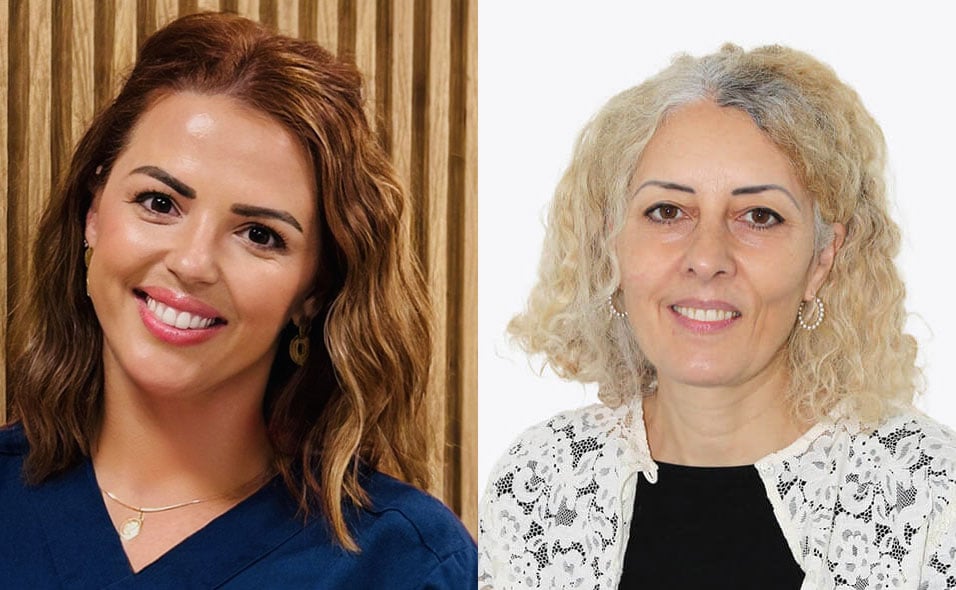
With Dr Sandra Jerkovic Gulin (Consultant Dermatologist and Venereologist) and Dr Sara Ritchie (GP with Extended Role in Dermatology)
Paediatric eczema is one of the most common skin conditions in childhood, affecting around one in five children. In this discussion, Dr Sandra Jerkovic Gulin and Dr Sara Ritchie share their clinical insights into why paediatric eczema is on the rise, how to recognise and manage it, and why early, consistent treatment can make all the difference for children and families.
How can you tell eczema apart from dry skin?
Eczema causes inflamed, itchy patches that look and feel very different from ordinary dry skin.
- Eczema: inflamed, red patches that are itchy and clearly different from surrounding skin.
- Dry skin: looks dull or flaky but is usually not inflamed or severely itchy.
- Not all children will grow out of eczema – the later the onset or the more severe the eczema, the more likely it is to persist into adult life. In fact, it is a chronic condition that requires timely treatment to help manage flare-ups.
What types of eczema occur in children?
Children can experience several types of eczema, each with distinct features and causes.
- Atopic eczema: the most common form, driven by the immune system; often found in skin folds and on the face.
- Seborrhoeic eczema: greasy, yellowish plaques on the scalp (often called cradle cap) that are not usually itchy.
- Contact eczema (dermatitis): triggered by contact with an irritant or allergen, such as in nappy rash or lip-licking irritation.
- Discoid eczema: round, well-defined itchy patches that look like coins.
- Follicular eczema: raised bumps around hair follicles, more common in darker skin tones.
Why are more children developing eczema?
There is no single clear cause, but several hygiene, environmental and lifestyle factors may contribute.
- Environment: central heating, dry air and more time indoors can dry out the skin.
- Lifestyle and diet: processed foods and reduced exposure to natural microbes may influence skin health.
- Pollution and microbiome changes: these may also affect how children’s skin reacts to its environment.
- Genetics: some children are born with weaker skin barriers, which could be pictured as a “wall with weak mortar” with moisture escaping and allergens entering more easily. Eczema may develop if exposed to the triggers above.
Why is it important to treat eczema?
Eczema needs active management to prevent discomfort, infection and disruption to daily life.
- Untreated eczema leads to itching and scratching, which damages the skin and allows infections to develop.
- The condition can disturb sleep for children and parents, leading to fatigue and stress.
- Persistent eczema can affect confidence and quality of life.
- Early and consistent treatment supports healing, improves comfort and helps children live more normally.
What are the first steps in treating eczema?
The foundation of eczema management is daily moisturising and gentle skin care using topical treatments applied directly to the skin.
- Apply moisturiser (emollient) after bathing to lock in moisture.
- Avoid soaps and fragranced cleansers; sometimes plain water is enough.
- Choose lighter creams for the face or daytime and richer ointments at night.
- Look for key ingredients that help restore the skin barrier:
– Ceramides and cholesterol to rebuild the skin barrier.
– Petrolatum (soft paraffin) to prevent water loss.
– Glycerin to draw in and retain moisture. - Avoid products containing urea or strong actives on inflamed skin, as these can sting.
- For inflamed, red or very itchy areas, doctors may prescribe topical corticosteroids to quickly reduce inflammation. Used correctly, these are safe and effective.
How can parents make daily care easier?
Simple, consistent routines can make daily eczema care more manageable for families.
- Build moisturising into existing routines, such as after bathing or before bed.
- Use reward charts or stickers to encourage children to take part.
- Try wet wraps to help retain moisture during sleep.
- Teach gentle alternatives to scratching, such as pressing or squeezing the skin.
- Use cotton gloves or soft clothing overnight to protect the skin.
What are some common misconceptions about eczema?
Misunderstandings about treatment and causes can prevent children from receiving proper care.
Myth: “Steroid creams are dangerous or thin the skin.”
Fact:
- When used correctly, topical steroids are safe and effective.
- They help reduce inflammation and discomfort during flare-ups.
- The correct strength and area of application are prescribed by healthcare professionals.
- Used as directed, they will not always thin the skin or cause harm.
Myth: “Food intake is the cause of eczema.”
Fact:
- Certain foods may worsen symptoms in some severe cases, but they are not the underlying cause.
Myth: “More cream always means better results.”
Fact:
- Children with eczema need large amounts of emollient to keep skin hydrated, but steroid creams should be used sparingly. Emollients should be used in much larger quantities than steroids—around ten times more moisturiser than potent topical steroid.
- Around 250 grams of moisturiser may be needed per week for severe eczema.
- Steroid creams should be applied as a thin layer only to affected areas, and always in the correct potency for the body site.
Looking for the right product to support your skin type or condition?
Click here to discover the full range of e45 products and find the right one for you.
Looking for more information?
Explore a range of in-depth information on skin health and other common skin conditioners here.