Itchy skin
Itchy skin, known medically as pruritus, is one of the most common skin complaints. For most people, an itch is a minor irritation that goes away after a quick scratch. But for others, it can become a persistent and distressing problem that interferes with sleep and daily life.
There are many possible causes of itchy skin, ranging from dryness and irritation to pregnancy or skin conditions such as eczema and psoriasis. In fact, significantly itchy skin affects around 8–9% of people at any given time.
Understanding what causes your itch and how to care for your skin can make a big difference
Symptoms associated with itchy skin
Itchy skin can range from a mild irritation to an intense, persistent sensation that drives you to scratch. For some, this creates what’s known as the itch–scratch cycle.
Your skin feels itchy, so you scratch to relieve it, but scratching further irritates the skin, damaging its protective barrier and leading to more itching. Over time, this can make the problem worse and cause visible skin changes.
Common signs of itchy skin include:
- Redness or inflammation
- Bleeding or broken skin
- Thickened or rough patches
- Dry, scaly areas
- Skin infections caused by bacteria entering through scratches
Itchy skin can affect one small area, such as your scalp, arms, or legs, or it can appear all over the body. The location of your itch can sometimes offer clues to its cause.
If your symptoms are widespread or persistent, it may be helpful to explore what’s driving the itch. This article provides an overview of common causes, treatments, and self-care strategies. You can also read our dedicated guide if you’re experiencing itchy skin on your face, where the skin is more sensitive.
Conditions linked to itchy skin
Itchy skin can have many different causes. The urge to scratch often starts when certain chemicals, like histamine, are released in the skin, triggering irritation and inflammation.
For some people, the cause is straightforward, such as dry skin or insect bites. For others, itchiness can signal an underlying skin or health condition. Below are some of the most common conditions associated with itchy skin.
Dry skin (xerosis)
Dry skin is one of the leading causes of itchiness, especially in older adults. When the skin lacks enough natural oils and moisture, it becomes tight, flaky, and itchy. In mild cases, dryness may just cause light irritation, but in severe cases the itch can feel intense and uncomfortable.
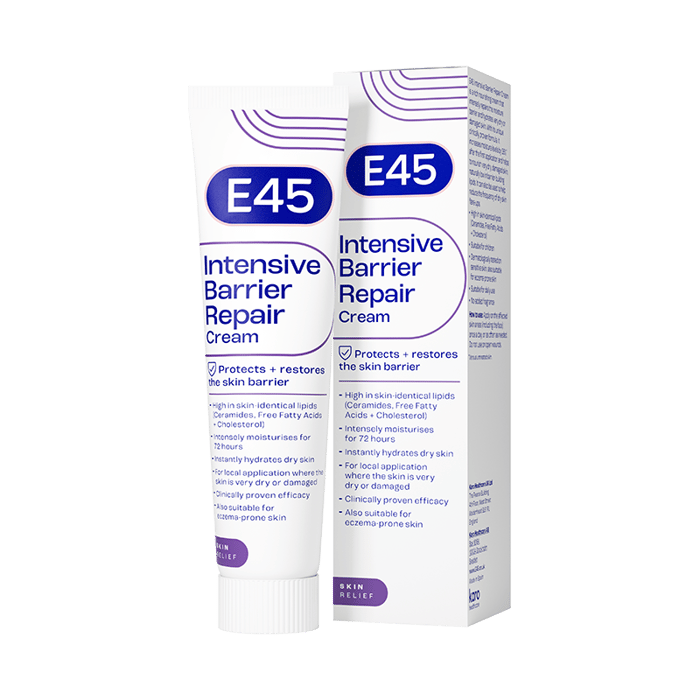
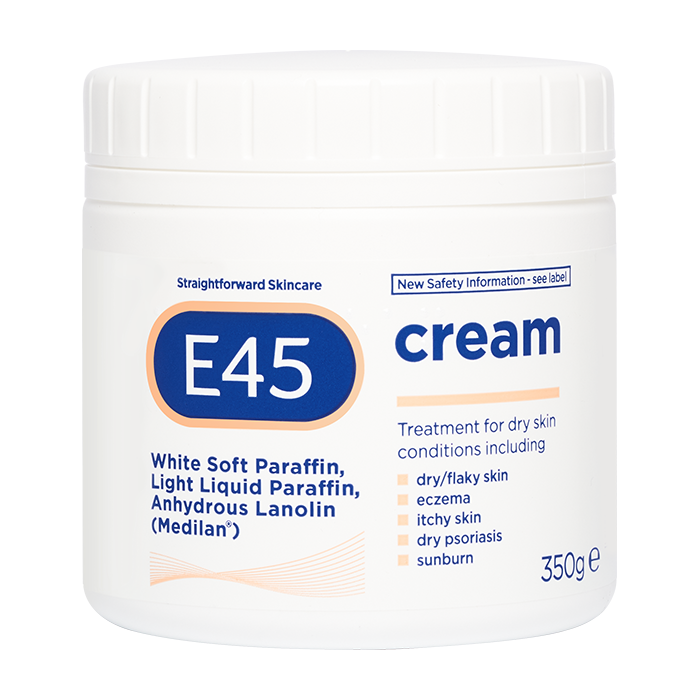
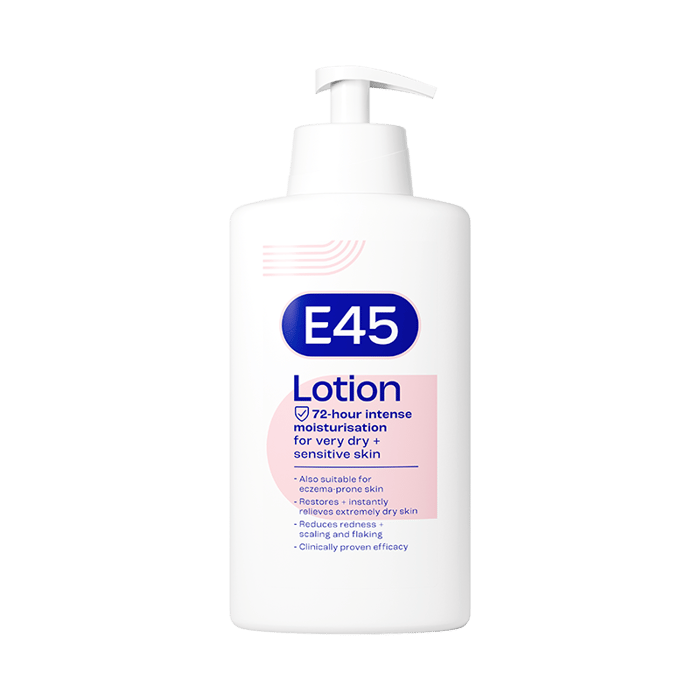
Dry skin affects up to three-quarters of people aged over 64. Using gentle cleansers and regular moisturisers like E45 Cream can help restore hydration and strengthen the skin barrier.
Itchy skin during pregnancy
Itching is a common symptom in pregnancy, affecting almost one in four women. Hormonal changes and skin stretching can make your skin more sensitive, particularly around the abdomen and breasts.
Sometimes, pregnancy itch is linked to a specific condition such as obstetric cholestasis, a liver-related problem that causes bile salts to build up in the skin, or polymorphic eruption of pregnancy, which causes a red, itchy rash in the later stages.
If itching becomes severe or affects your sleep, always speak to your healthcare professional.
Atopic eczema (atopic dermatitis)
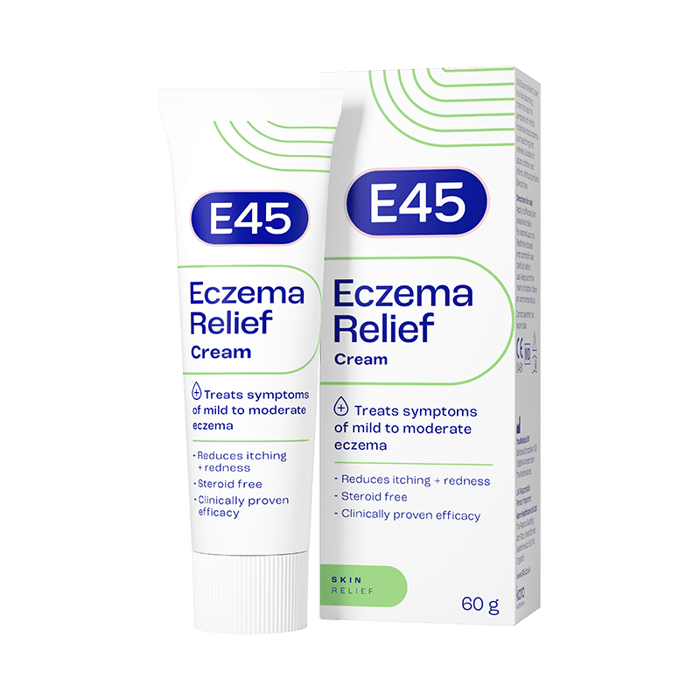
Atopic eczema is a long-term inflammatory skin condition that causes dry, cracked, and intensely itchy skin. It occurs when the skin produces fewer natural oils, making it harder to retain moisture. The itch often worsens during flare-ups and can significantly affect quality of life.
Eczema is common in children but can also persist into adulthood, affecting up to 10% of adults. People with asthma or hay fever are more likely to develop it.
Contact dermatitis
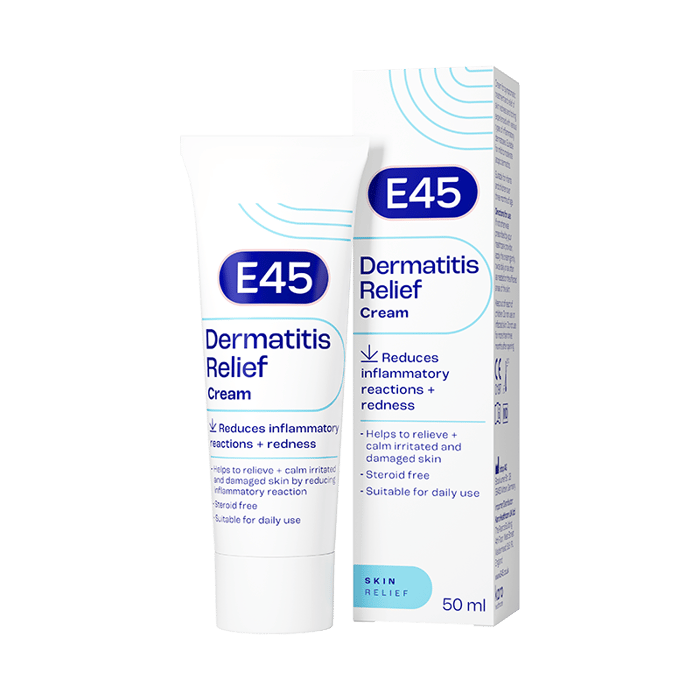
Contact dermatitis occurs when the skin reacts to an irritant or allergen. Itching is usually the main symptom, along with redness, dryness, and sometimes blistering.
There are two main types:
- Irritant contact dermatitis, caused by harsh substances such as cleaning products or soaps.
- Allergic contact dermatitis, triggered by allergens like nickel, fragrances, or preservatives.
People in certain professions that come in contact with irritants and allergens, such as nurses, hairdressers, or cleaners, are more likely to develop this condition.
Psoriasis
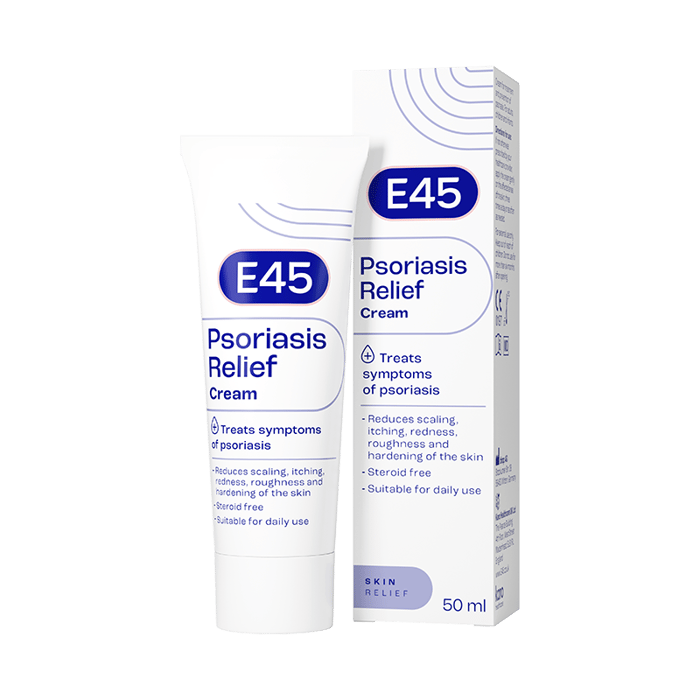
Psoriasis is a chronic inflammatory condition where skin cells multiply faster than usual, leading to thick, red patches covered with silvery scales. These patches often itch or feel sore.
Triggers can include infections, or stress. The most common form, plaque psoriasis, tends to appear on the elbows, knees, and scalp.
Insect bites and stings
Multiple insects can cause itchy, inflamed skin through bites or stings. Reactions are typically short-lived, but scratching can make symptoms worse or lead to infection.
You’re more likely to be bitten if you spend time outdoors or live with pets that can carry fleas. Covering exposed skin and using insect repellent can help prevent bites.
Urticaria (hives or nettle rash)
Urticaria causes raised, red, and very itchy welts on the skin. It happens when histamine is released in response to triggers such as foods (peanuts, shellfish, milk, eggs), insect bites, medicines like penicillin, or latex. Viral infections can also be a cause.
Some people experience chronic urticaria, where itching is triggered by everyday factors such as water, heat, or sunlight. The condition is more common in women aged 20-40.
When trying to understand why your skin itches, it is helpful to know that causes range from simple dry skin and insect bites to conditions like eczema, psoriasis, or pregnancy. Identifying whether it is a temporary reaction or an ongoing condition is key to finding the right comfort and care.

Itchy skin triggers and factors
Even when you know the cause of your itchy skin, certain everyday factors can make it worse. Understanding your personal triggers, and how to manage them, can help break the itch–scratch cycle and protect your skin barrier.
Below are some of the most common triggers that can lead to or worsen itchy skin.
Allergens and irritants
Allergens and irritants are among the most frequent causes of skin flare-ups. They can make your skin dry, red, and itchy, especially if you already have sensitive skin or eczema.
Common irritants include:
- Pet dander
- House-dust mites
- Pollen
- Perfumes, hair dyes, and cosmetics
- Cleaning agents and detergents
- Certain metals such as nickel
How to manage:
- Try to avoid known allergens or irritants where possible.
- Always check skincare product labels for fragrance or preservative content.
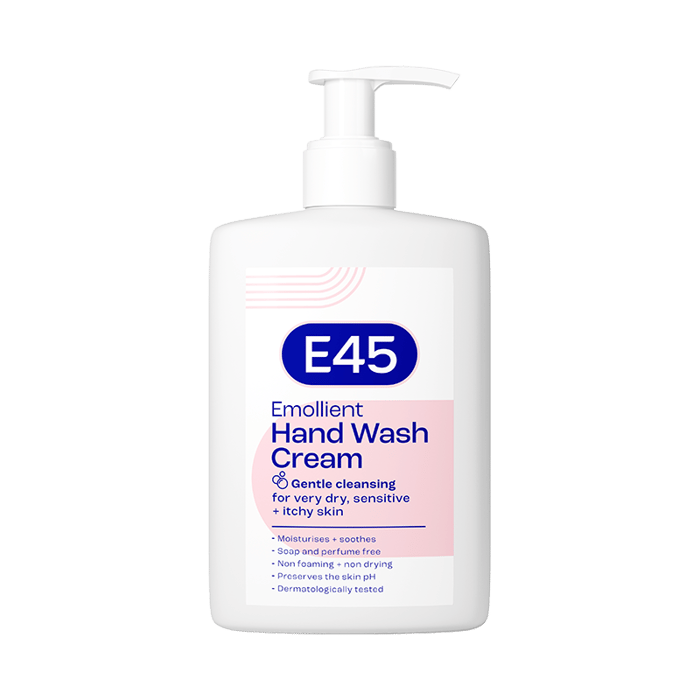
- After exposure, wash hands with a gentle soap substitute or emollient wash.
- Use gloves when cleaning or washing up.
- Wipe dusty surfaces with a damp cloth instead of dry dusting.
- During high pollen seasons, avoid outdoor activity when counts are high and shower after coming indoors.
- If pets trigger itching, limit their access indoors and wash bedding regularly.
- Cover up with long sleeves and trousers to avoid insect bites or stings.
- Antihistamines can help reduce allergic itching.
Cleansers and soaps
Many soaps and cleansers contain detergents that strip the skin of its natural oils, damaging the barrier and increasing dryness. This can make conditions such as eczema or contact dermatitis worse.
How to manage:
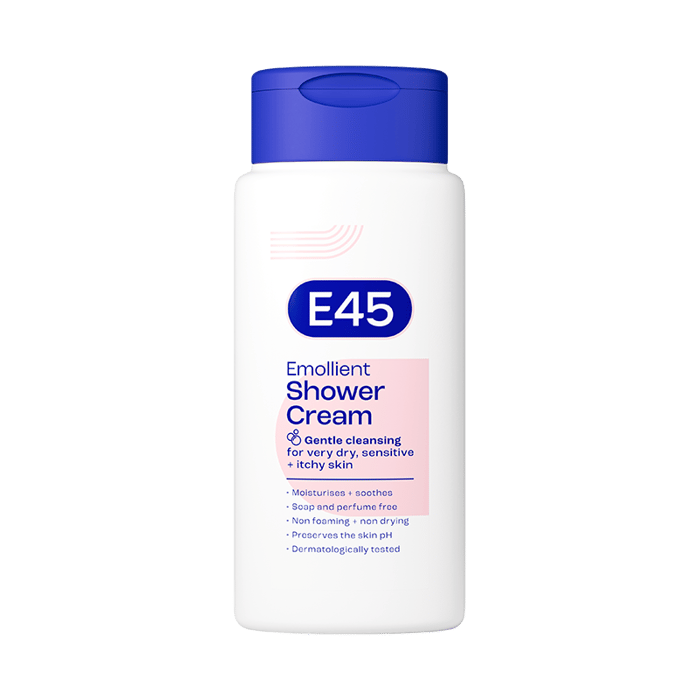
- Use a soap substitute or emollient-based cleanser instead of regular soap.
- Keep baths and showers short—no more than 10 minutes—and use lukewarm water.
- Avoid fragranced or foaming products.
- Choose cotton-lined gloves when washing up.
- Remove rings before washing hands to prevent soap build-up underneath.
- Rinse clothes twice to remove detergent residue or use fabric washing balls.
Clothing
Certain fabrics can irritate the skin and make itching worse. Rough textures or synthetic fibres are common triggers, especially for those with eczema or sensitive skin.
How to manage:
- Choose loose-fitting clothes made from natural fabrics such as cotton.
- Avoid wool and coarse fibres that rub against the skin.
- Remove labels and tags that may cause friction.
- Wear cotton socks and gloves if your hands or feet are affected.
Food
Some foods can cause allergic skin reactions, such as urticaria or irritant dermatitis.
How to manage:
- Identify and avoid known trigger foods.
- Use gloves and wash with a gentle soap substitute before and after preparing food.
Stress
Stress can worsen many skin conditions, including eczema and psoriasis. When you’re stressed, your body releases hormones that can disrupt your skin’s protective barrier, increasing inflammation and itchiness.
How to manage:
- Practice relaxation techniques like deep breathing, yoga, or meditation.
- Engage in creative activities such as cooking, painting, or gardening to refocus your mind.
- Prioritise regular sleep and exercise.
- If stress feels overwhelming, seek support from a healthcare professional.
Weather and temperature
Low humidity, air conditioning, central heating, and cold winter air can all dry out your skin, leading to irritation and itching.
How to manage:
- Keep your home at a comfortable temperature, ideally around 18°C.
- Use a humidifier or place bowls of water under radiators to increase moisture in the air.
- Avoid convection heaters, which can dry out indoor air.
- Apply an emollient daily, especially in colder months, to protect the skin barrier.
To help manage the itch, it is useful to look at potential triggers in your daily life, such as the fabrics you wear, the soaps you use, or even stress levels. Making small adjustments, like switching to gentle cleansers or keeping your home at a comfortable temperature, can make a real difference to your skin’s comfort.
How to manage itchy skin
The best way to manage itchy skin depends on its cause, but gentle daily skincare and barrier repair are always key. Treating the itch early can stop scratching from making it worse and help restore comfort and confidence.
Here are the main treatment options and approaches to relieve itchy skin.
Emollients and moisturisers
Emollients – also known as moisturisers – are the foundation of itch management. They help by:
- Adding moisture back into the skin and locking it in.
- Creating a protective barrier that keeps irritants out.
- Soothing dry, tight, or flaky areas.
- Helping to reduce flare-ups in conditions such as eczema and psoriasis.
Apply emollients regularly throughout the day – sometimes several times daily. Always follow the directions on the label for the specific product you are using. For widespread itching, emollients such as E45 Cream are often recommended as first-line treatment.
Some formulations contain additional ingredients that help relieve itching, such as lauromacrogols (which work like a local anaesthetic) and crotamiton (which soothes irritation).
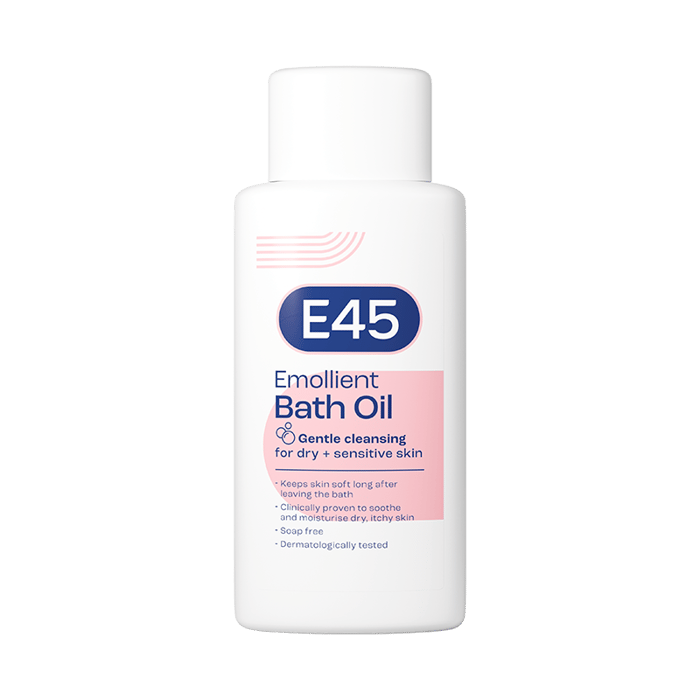
Avoid using traditional soaps or bubble baths that strip away moisture. Instead, wash with an emollient-based cleanser or add an emollient to your bath water.
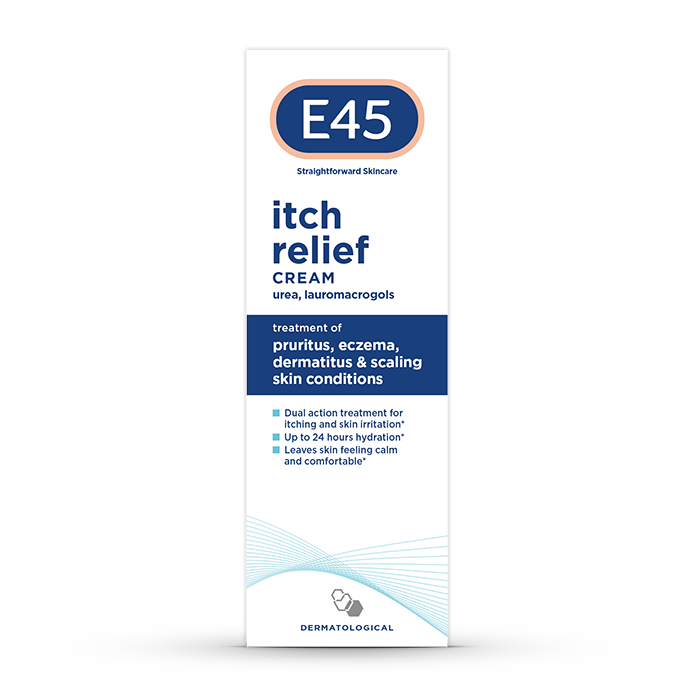
Note: With E45 Cream, no effects during pregnancy are anticipated since systemic exposure to its ingredients is minimal. E45 Itch Relief Cream may also be used during pregnancy, although it should not be applied to the breasts immediately before breastfeeding.
Mild steroid creams
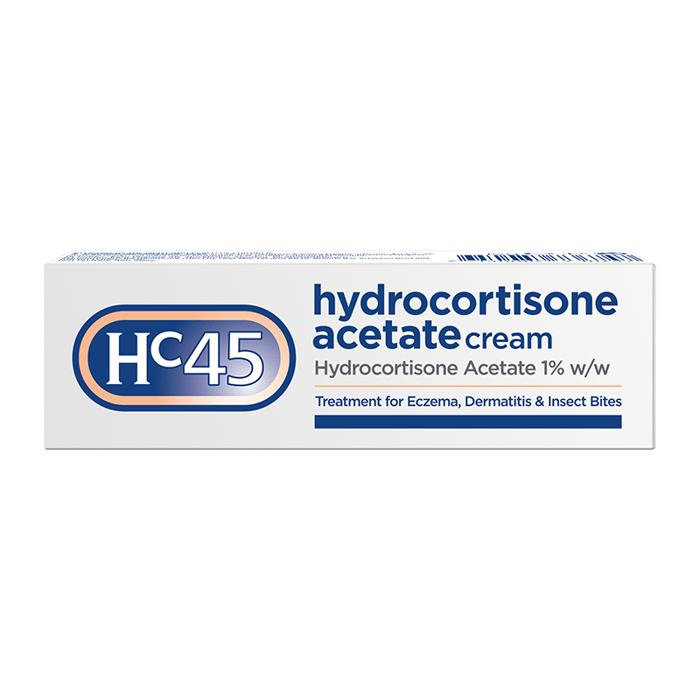
For flare-ups of eczema or contact dermatitis, mild steroid creams or ointments – available over the counter – can help reduce redness, inflammation, and itching.
How to use:
- Apply a thin layer to the affected area only.
- Use once or twice daily for up to seven days, unless otherwise directed.
- Avoid applying to the face, eyes, genitals or broken skin.
- Continue using your emollient alongside, leaving at least 15 minutes between applications.
If your itching or eczema doesn’t improve after a week, or if you’re pregnant or breastfeeding, speak to your doctor before continuing use.
Antihistamines
Antihistamines can help relieve itchiness caused by allergies, insect bites, or pregnancy-related itching. They work by blocking histamine, the chemical that triggers allergic itching.
Some antihistamines may cause drowsiness, so always check the label or ask your pharmacist which type is suitable for you—especially during pregnancy.
When it comes to finding relief, starting with regular use of emollients to hydrate and protect the skin is often the best approach, while mild steroid creams or antihistamines might be suggested for flare-ups. If symptoms persist or affect your daily life, seeking advice from a healthcare professional is the next helpful step to take.
When to seek advice for itchy skin
Speak to your pharmacist or GP if:
- Your symptoms last longer than two weeks or keep coming back.
- The itching affects your everyday life or sleep.
- You notice swelling, inflammation, or a new rash.
- The itch is widespread or severe.
- Self-care treatments haven’t helped.
Persistent or widespread itchiness can sometimes signal an underlying condition, so medical advice is important if symptoms continue.
Self-Care for itchy skin
Simple self-care measures can go a long way toward calming irritated skin and breaking the itch–scratch cycle. Keeping your skin hydrated and avoiding triggers are the most effective ways to reduce discomfort and prevent flare-ups.
Do’s for managing itchy skin
- Moisturise regularly: Apply fragrance-free emollients or creams, like E45 Cream, several times a day. Keeping them in the fridge can make them even more soothing.
- Pat, don’t scratch: Gently tap or pat the itchy area instead of scratching.
- Wear soft fabrics: Choose loose, cotton clothing to reduce irritation.
- Use cool compresses: Hold a cold, damp flannel (preferably soaked in emollient) against itchy skin for quick relief.
- Bathe wisely: Take short, cool or lukewarm baths or showers no more than once a day, using emollient cleansers instead of soap.
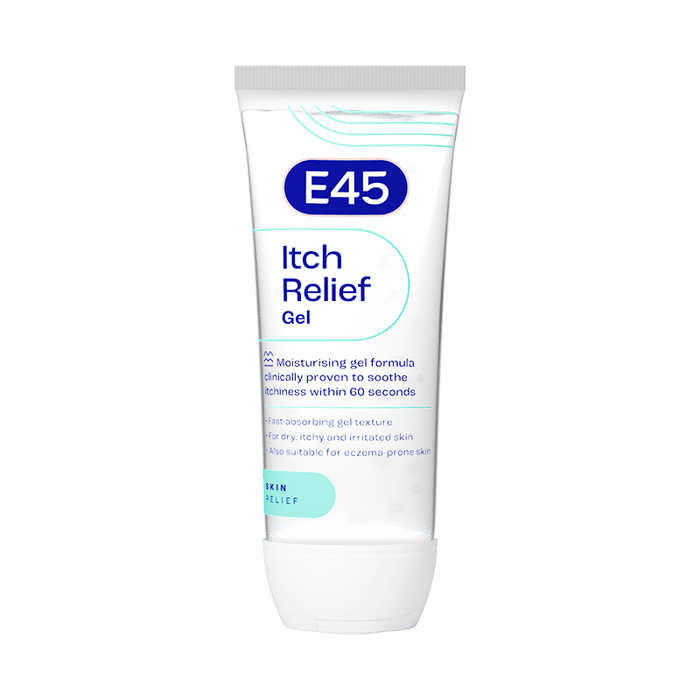
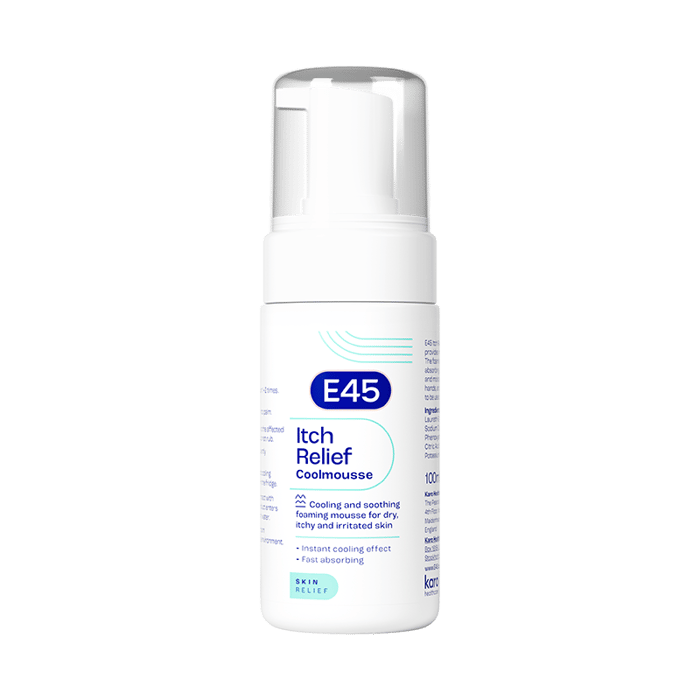
- Try anti-itch creams: Use products specifically formulated to relieve itching.
- Stay consistent: Apply moisturiser regularly, even when your skin feels fine, to prevent future flare-ups.
Don’ts for managing itchy skin
- Don’t scratch, as this can damage the skin and worsen irritation.
- Don’t wear coarse wool or synthetic fabrics that rub against the skin.
- Don’t take long, hot baths or showers that remove natural oils.
- Don’t use perfumed soaps, moisturisers, deodorants, or foaming cleansers.
- Don’t eat foods that you know cause allergic reactions.
Itchy Skin FAQs
Is itching a sign of COVID-19?
Itching is not one of the main symptoms of COVID-19. However, some people have reported itchy rashes during infection.
What causes extreme itching without a rash?
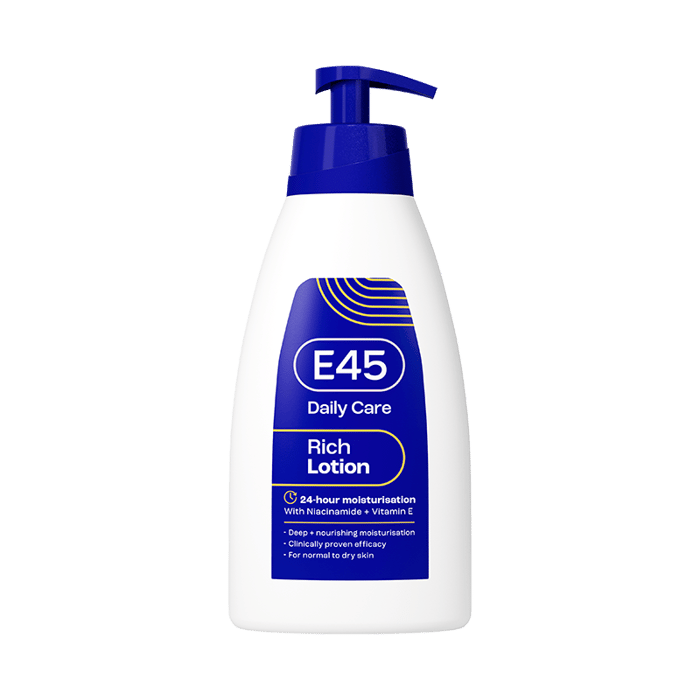
The most common cause of itching without a visible rash is dry skin. Living in low-humidity environments, spending long periods in water, or frequent sun exposure can all make dryness worse. Using a rich emollient regularly can help restore the skin’s barrier.
How do I stop itching at night?
Many people find their itching gets worse at night. This is often because you scratch in your sleep without realising. Apply a soothing product such as E45 Itch Relief Cream or a cold emollient before bed, and consider wearing soft gloves to prevent scratching overnight.
How can I stop itching all over my body?
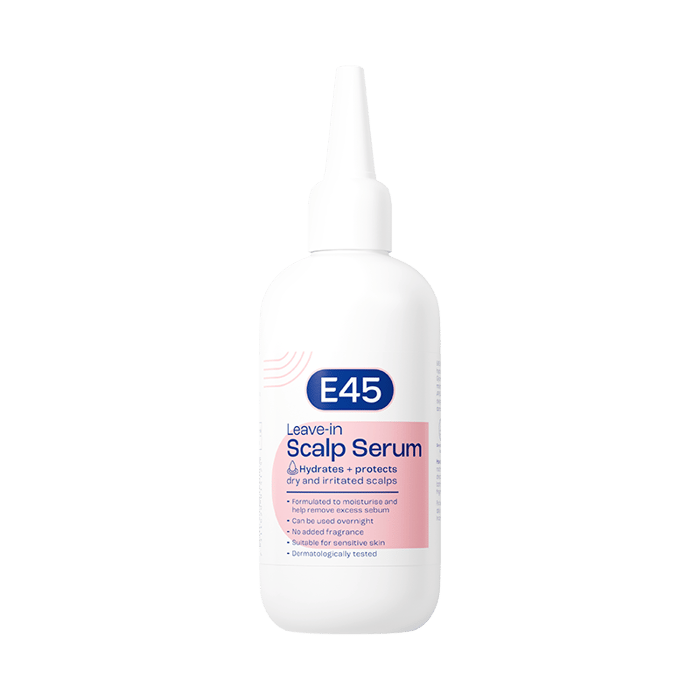
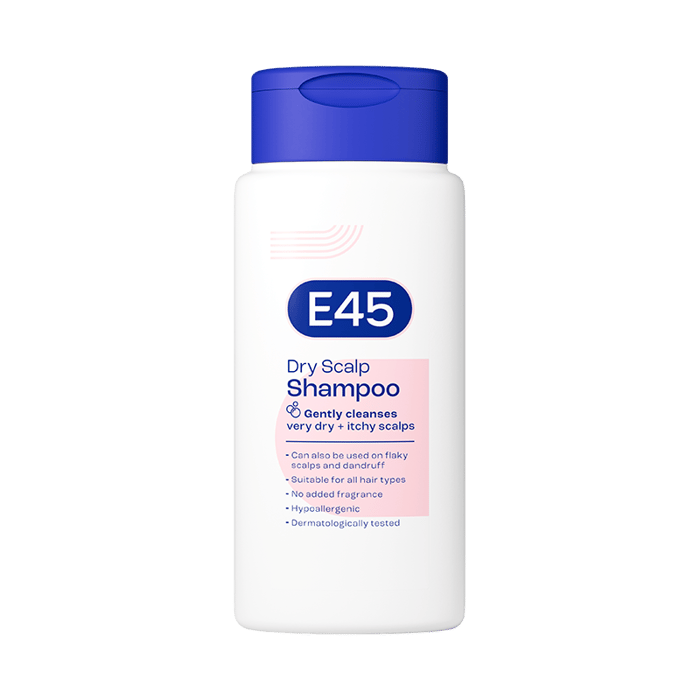
If your whole body feels itchy, use an anti-itch emollient cream or gel for overall relief. Applying a cool, damp cloth can also help soothe discomfort. Avoid irritants such as fragranced soaps or detergents, and keep your skin moisturised throughout the day. For scalp itching, try a gentle, fragrance-free treatment such as a dry scalp formula.
When should I be worried about itching?
Occasional itching is normal, but you should speak to a healthcare professional if:
- The itch lasts longer than six weeks.
- It interferes with sleep or daily life.
- You develop a rash, swelling, or pain.
- The itch is widespread and persistent despite using moisturisers.
Your healthcare professional can help identify any underlying causes and recommend appropriate treatment to help restore comfort and skin health.