Why is my face itchy? Causes and solutions
An itchy face can be very uncomfortable. But rest assured, there are ways to relieve the symptoms.
Whether you’re dealing with occasional flare-ups, persistent itchiness or experiencing itching without a visible rash, understanding the causes can help you to establish the best way to alleviate discomfort.
The causes of facial itching can be very different to what might cause itchy skin across the body. Listed below are some factors that may contribute to itchy or irritated skin on the face, along with steps you can take to help relieve the itching.
Causes of an itchy face
There are several potential causes of an itchy face, including dry skin, allergies, skin conditions, irritants and insect bites. Let’s explore each of these factors in more detail:
- Dry skin: One common cause of facial itchiness is dry skin. When the skin lacks proper moisture, it can become itchy, irritated, and prone to flaking. Factors such as cold weather, low humidity or excessive washing can contribute to dry skin on the face.
- Allergies: Allergic reactions to certain substances can lead to facial itching. Common allergens include pollen, dust mites, pets, make-up, hair dye, or other specific substances. Identifying and avoiding these allergens can help to alleviate the itch.
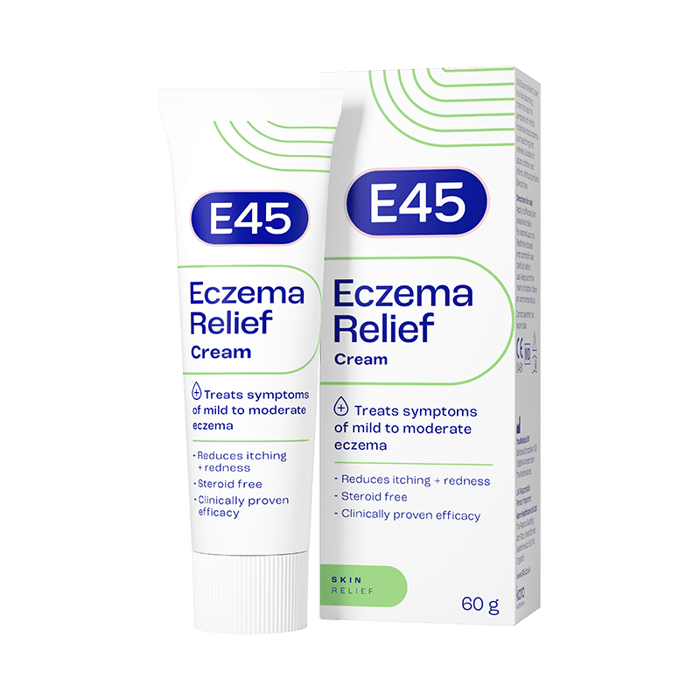
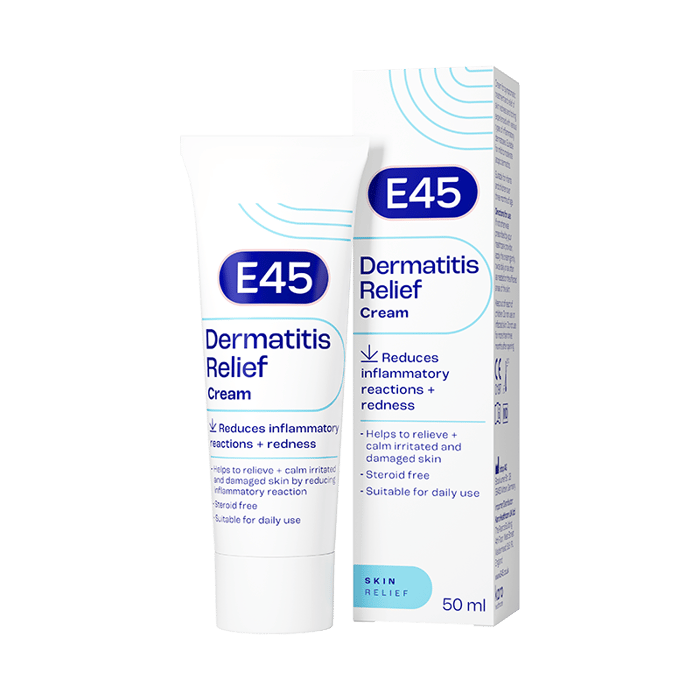
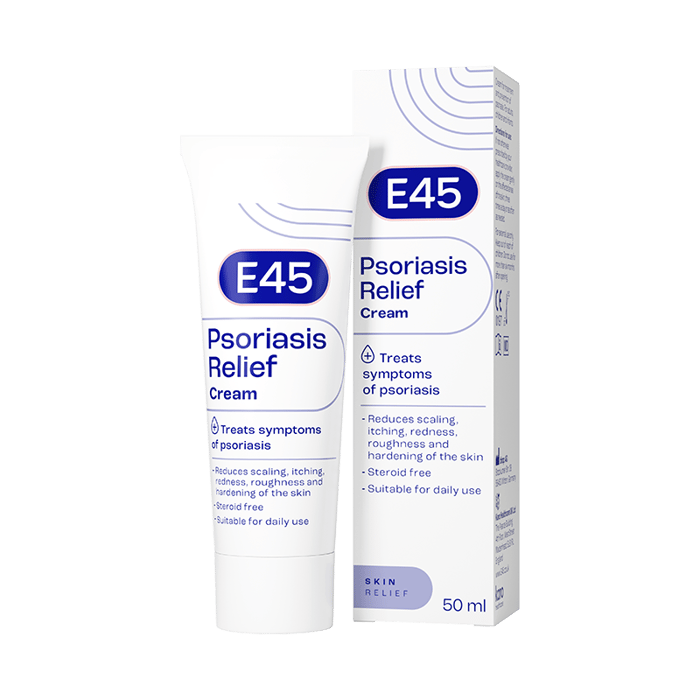
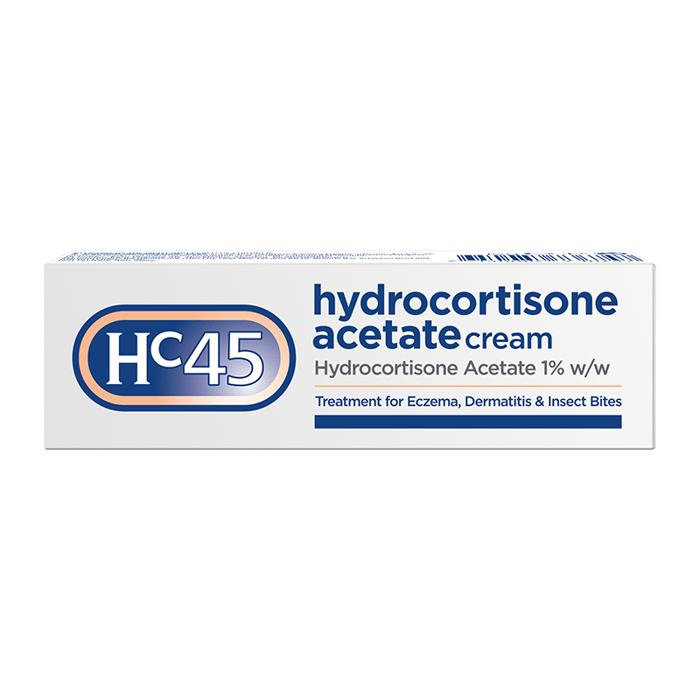
- Skin conditions: Skin conditions like eczema and psoriasis can cause intense itching on the face. These conditions are characterised by red, inflamed patches of skin and often require specific treatments to manage symptoms effectively.
- Irritants: Exposure to irritants, such as harsh chemicals, fragrances or certain fabrics can trigger an itchy reaction on the face. Identifying and avoiding these irritants can help to reduce facial itchiness. Using gentle products in your skincare routine can also help to prevent itchy skin.
- Insect bites: Mosquito or other insect bites can cause localised itching on the face. Taking precautions to avoid bites and applying appropriate insect repellents can help to prevent itchiness.
Understanding what can cause your face to be itchy is key, as it might be down to simple issues like dry skin or an allergic reaction. If the cause is a skin condition like eczema or psoriasis, it’s necessary that these conditions are managed effectively with specific treatments to help control the symptoms.
Itch relief methods
It’s a good idea to speak with a healthcare professional about the best treatment options for your skin. There is also a range of ways to adapt your skincare routine to restore comfort.
Topical treatments for an itchy face
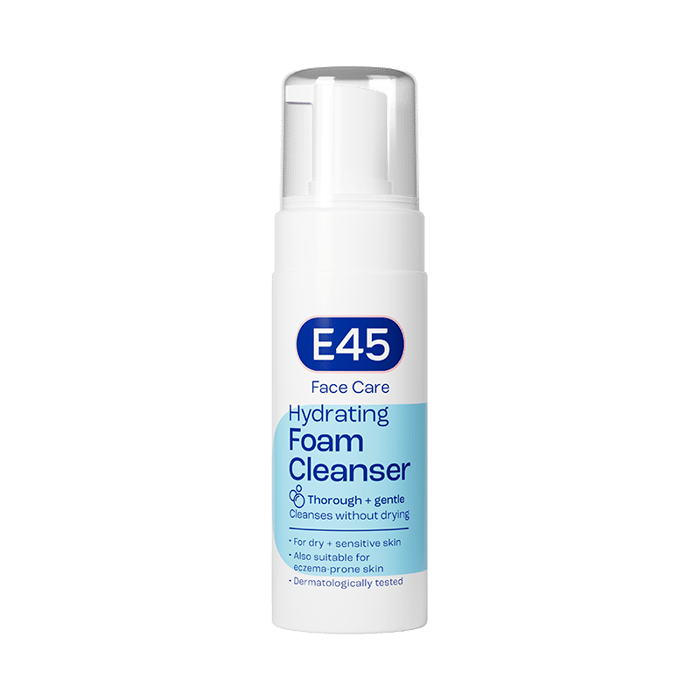
Gentle skincare: Opt for gentle cleansers specifically formulated for sensitive or dry skin, such as E45 Face Foaming Cleanser. This cleanser effectively cleanses without stripping the skin of its natural oils.
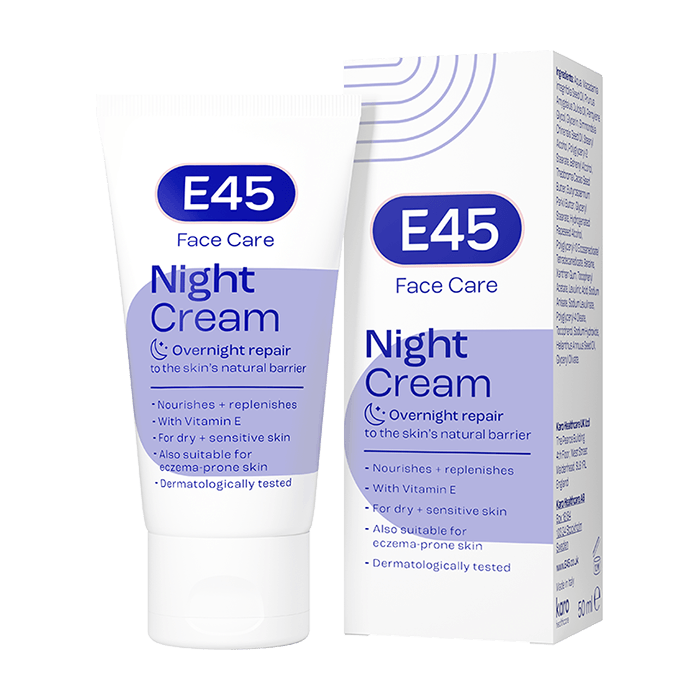
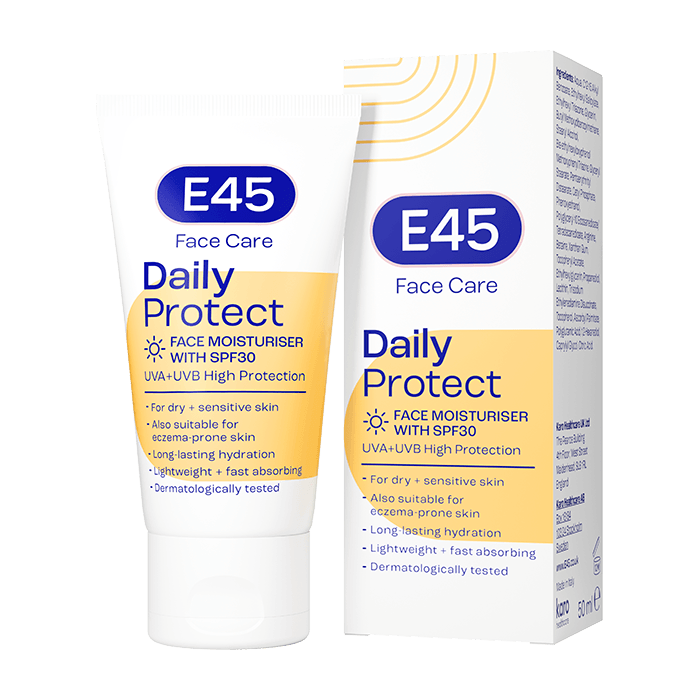
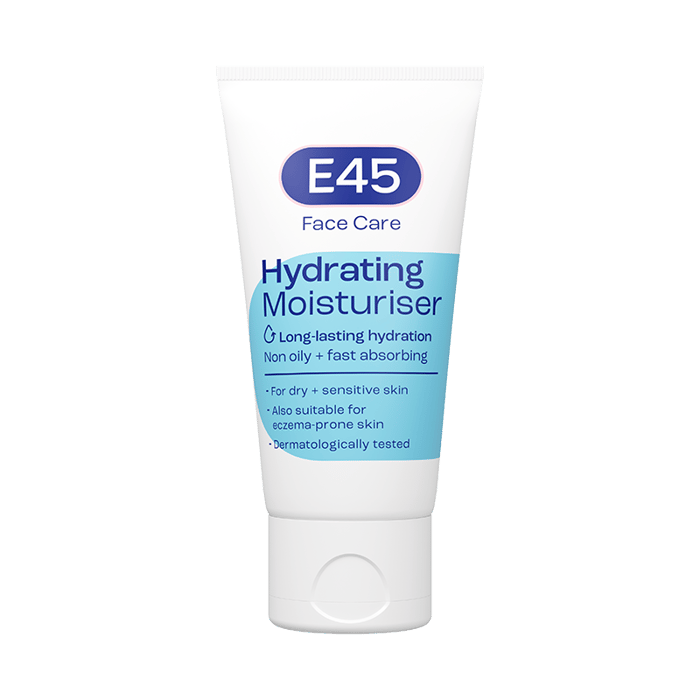
Moisturise: Keeping the skin on your face hydrated is key to combating dryness and itchiness. Choose a moisturiser that’s suitable for your skin type, such as E45 Face Moisturiser, which helps to improve the skin’s natural moisture barrier and is suitable for dry and sensitive skin.
Cold compresses: Applying a cold compress to the itchy areas can provide temporary relief and help reduce inflammation. Use a cloth wrapped around ice cubes or a cold gel pack and gently press it against the affected areas for a few minutes.
How to stop your face from itching
E45 offers a range of products specifically developed for itchy skin:
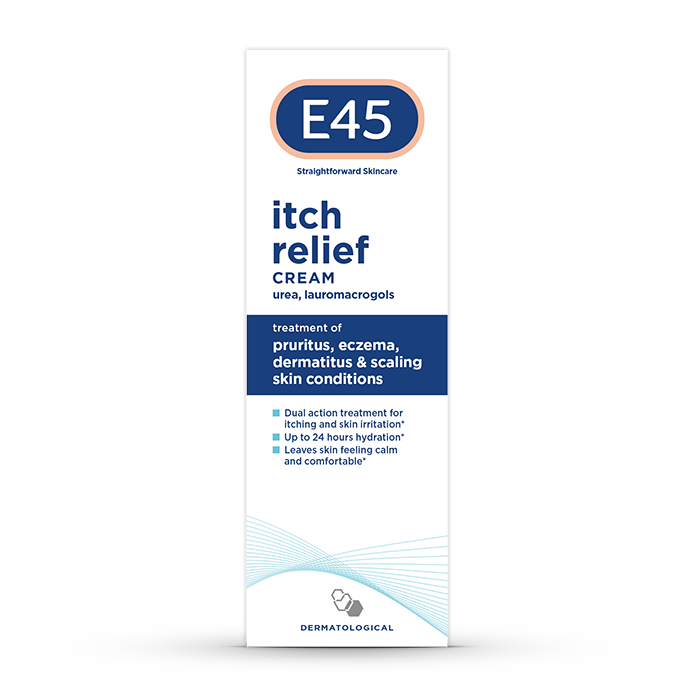
- E45 Itch Relief Cream contains urea to keep your skin hydrated and lauromacrogols to relieve the itch.
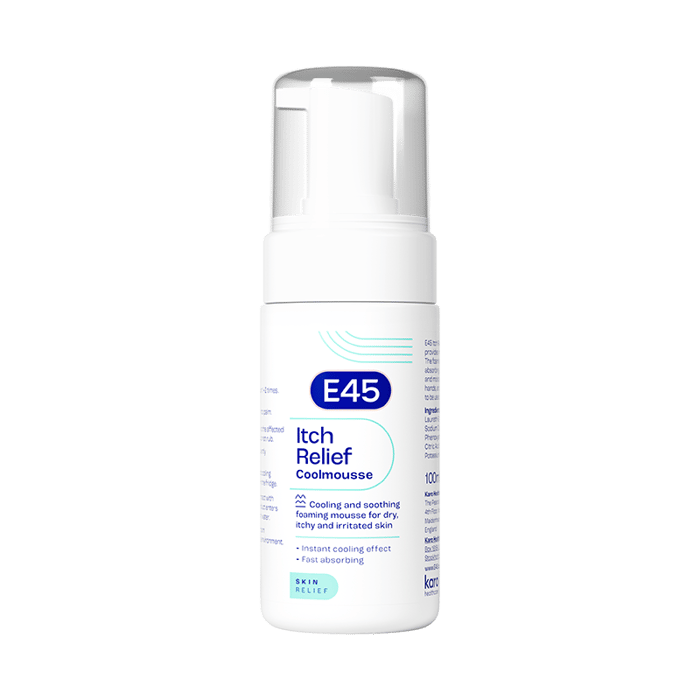
- E45 Itch Relief Coolmousse has a lightweight foam texture and is easily absorbed without leaving a sticky residue, for immediate, soothing relief.
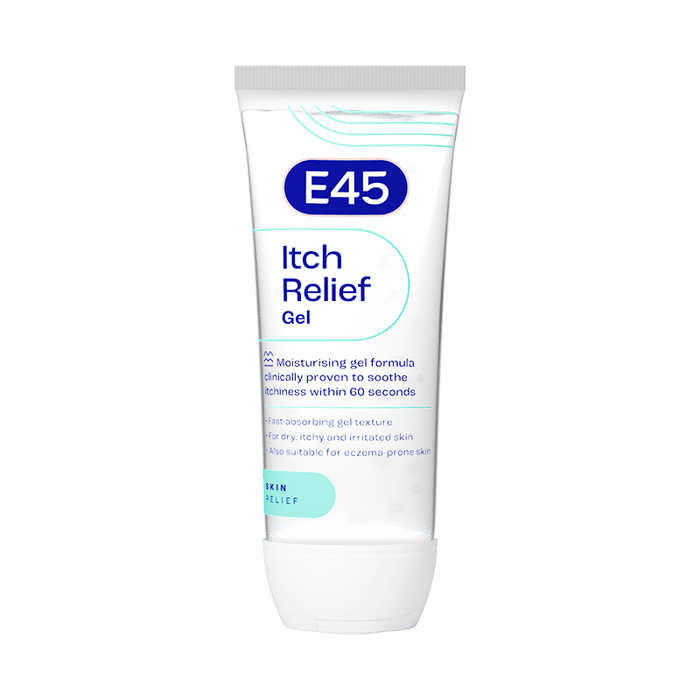
- E45 Itch Relief Gel soothes, cools and calms dry, itchy and irritated skin with a lightweight gel texture. It’s also easily absorbed with no rubbing required.
Resisting the urge to scratch can prevent irritating the skin further. Instead, opt for gentle patting, or light pressure by gently squeezing and holding the affected skin for ten seconds, or apply a cold compress to soothe the area.
Seek medical advice
You may want to speak with a healthcare professional about the underlying causes of your facial itching, particularly if you’re experiencing:
- Itchy skin accompanied by redness, inflammation or a rash
- Dry, flaky skin on the face
- Itching that worsens at night or after exposure to certain substances
- Persistent or recurring itching without any visible rash
If your facial itchiness persists or worsens, it’s important to consult a healthcare professional. They can help diagnose underlying conditions, prescribe appropriate treatments, and provide personalised advice to manage your specific situation.
Restoring comfort to your skin
Restoring comfort to your itchy face requires patience, consistency and sometimes a few lifestyle changes. Following these tips can help to alleviate discomfort:
- Patience: Addressing the root cause of facial itchiness may take time. Be patient and give your skin a chance to heal and recover.
- Consistency: Incorporate a regular skincare routine that includes gentle cleansing, moisturising and avoiding triggers. Consistency is key to maintaining healthy skin.
- Lifestyle changes: Certain lifestyle factors can contribute to facial itchiness. Managing stress levels with self-care, practicing good sleep hygiene, regular exercise and adopting a healthy diet can have a positive impact on your skin’s condition.
Bringing it all together, restoring comfort to your skin requires patience and consistency, particularly with gentle cleansing and moisturising. You might also find it useful to make small lifestyle changes, such as managing stress and ensuring you get good sleep, as this can positively support your skin.
Conclusion
There are several possible causes of facial itchiness, including dry skin, allergies, skin conditions, irritants and insect bites. Understanding the triggers and symptoms can help you take the right next steps towards effective relief. By avoiding allergens and practicing a gentle skincare routine that prioritises intense hydration, you can alleviate itchiness.
Try to temporarily reduce or avoid other products such as makeup or sunscreens to which you may be sensitive. And remember to use a facial moisturiser which says it is non-comedogenic if you are prone to spots or acne. In some cases, seeking medical advice and implementing lifestyle changes might be necessary – just remember that alleviating itchy skin is possible.
FAQ: Itchy face
How do I stop my face from itching?
To alleviate itching on your face:
- Keep the skin on your face moisturised with a gentle, fragrance-free moisturiser.
- Avoid scratching or rubbing the itchy areas.
- Use products specifically formulated for sensitive or dry skin.
- Identify and avoid potential allergens or irritants.
- Seek medical advice if the itchiness persists or worsens.
What is an itchy face a symptom of?
An itchy face can be a symptom of various factors, including:
- Dry skin
- Allergic reactions to substances like pollen, dust mites or specific subrances
- Skin conditions such as eczema, psoriasis or dermatitis
- Exposure to irritants or harsh chemicals
- Insect bites
Why is my face itchy, but there’s no rash?
Itching on the face without a visible rash can have several causes:
- Dry skin: A lack of moisture can cause itchiness.
- Allergies: You may be experiencing an allergic reaction without visible skin changes.
- Stress or anxiety: Psychological factors can contribute to itchiness.
Why am I experiencing severe itchiness?
Intense itching on the face may be due to:
- Allergic reactions: Severe itching can occur in response to allergens or irritants.
- Skin conditions: Conditions like eczema or psoriasis can cause intense itching.
- Insect bites: Bites from mosquitoes or other insects can lead to extreme itching.
Can stress cause an itchy face?
Yes, stress can contribute to an itchy face. Emotional stress and anxiety can trigger or worsen itching due to the complex relationship between the nervous system and the skin. Stress may also exacerbate pre-existing skin conditions such as eczema or psoriasis, leading to increased itchiness.
How long does an itchy face last?
The duration of an itchy face can vary depending on the underlying cause. In some cases, it may be temporary and subside within a few hours or days. However, for chronic or recurring cases, the itchiness may persist for an extended period. If the itching persists or worsens, it is advisable to seek medical advice for a proper diagnosis and appropriate treatment.