Discoid Eczema: Symptoms, Causes and Treatment
Discoid eczema (also known as nummular eczema) causes distinctive coin-shaped patches of itchy, inflamed skin, most often on the arms, lower legs and trunk. It isn’t contagious, but it can be stubborn: it tends to come back, and it usually needs a stronger steroid cream than other types of eczema to bring flare-ups under control. This guide explains what discoid eczema looks like, what causes it, how it’s diagnosed, and how treatments such as emollients and steroid creams can help.
What is Discoid Eczema?
Discoid eczema, also called nummular eczema or discoid dermatitis, is a type of eczema that causes distinctive coin-shaped (or oval) patches of itchy, inflamed skin. The name comes from “discoid,” meaning disc-shaped, and “nummular,” from the Latin for coin. It’s a chronic condition, meaning it tends to be long-term and recurrent rather than a one-off flare: without treatment, patches can last anywhere from weeks to months, or even years, and often reappear in the same area once they’ve cleared. (Source) Discoid eczema can affect anyone, though it’s more common in adults, and it isn’t linked to a single known cause, but the right treatment can bring flare-ups under control.
Symptoms
So what does discoid eczema look like? It typically starts as one or more round or oval patches of pink-to-red skin (these may look darker brown, purple or grey on darker skin tones), which can range from a few millimetres to several centimetres across. The patches are usually intensely itchy, and itching often feels worse at night. As a patch develops, it may blister, weep or ooze, before drying out, crusting and becoming scaly or cracked. Discoid eczema usually appears on the arms, lower legs and trunk, it does not usually affect the face or scalp, which distinguishes it from some other types of eczema. (Source) Patches can appear on one or both sides of the body and, left untreated, tend to gradually expand outward.
Causes and Risk Factors
The exact cause of discoid eczema isn’t fully understood. Having dry skin appears to be a contributing factor, and you’re more likely to develop it if you’ve previously had atopic eczema, allergic contact dermatitis, or eczema as a child. Unlike some other forms of eczema, discoid eczema is not thought to be hereditary and doesn’t tend to run in families. Certain product irritants, including soaps, body washes, and other materials that touch the skin, can trigger a flare-up or make existing patches worse, so choosing gentle, fragrance-free products is a sensible precaution.
Diagnosis
Discoid eczema is usually diagnosed by a GP or dermatologist based on a physical examination of the affected skin. Because the round, scaly patches can resemble other conditions, your doctor may sometimes use patch testing to rule out contact dermatitis, or take a skin scraping to check for a fungal infection such as ringworm, which can look similar but requires different treatment. (Source)
Treatment
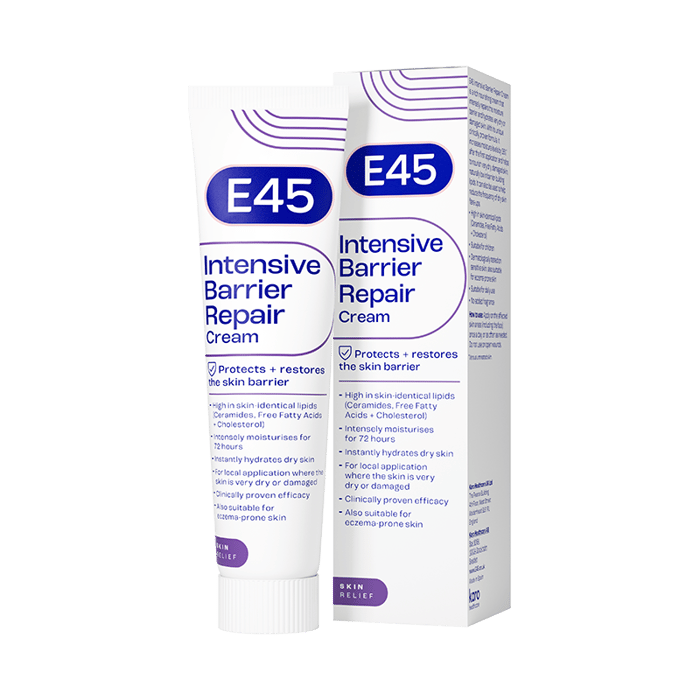
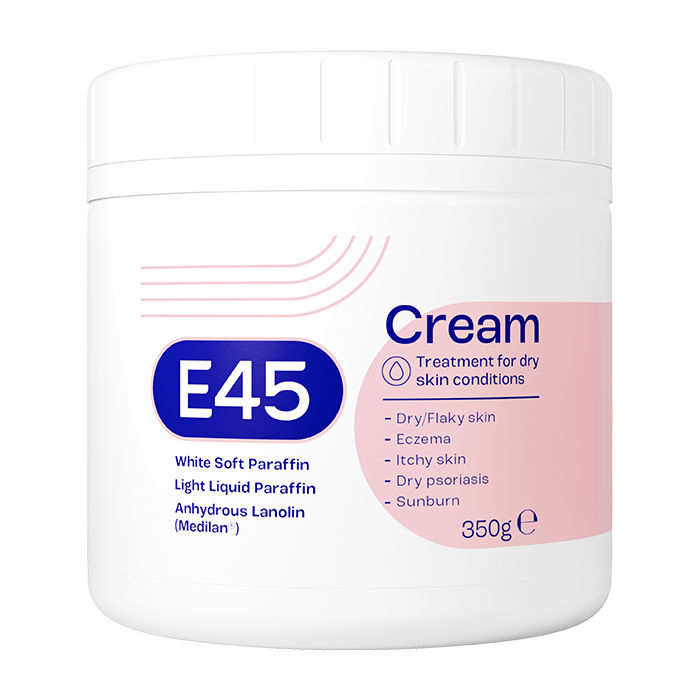
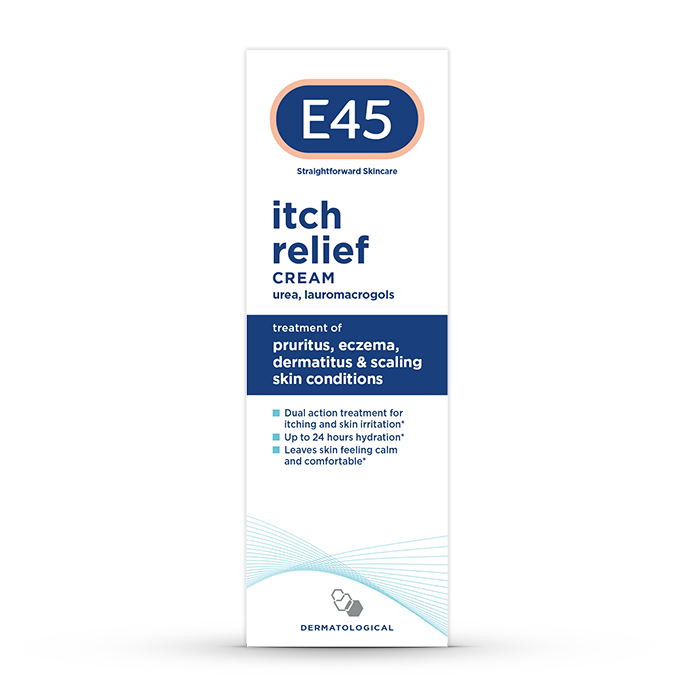
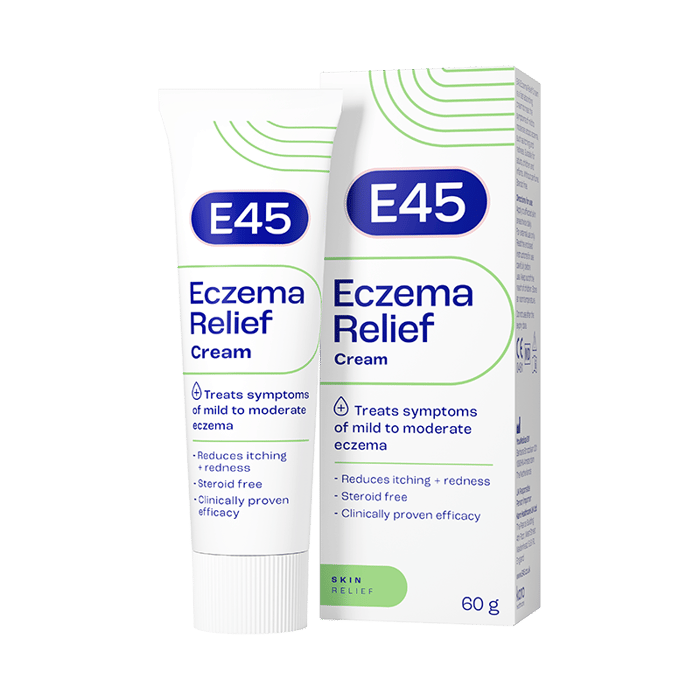
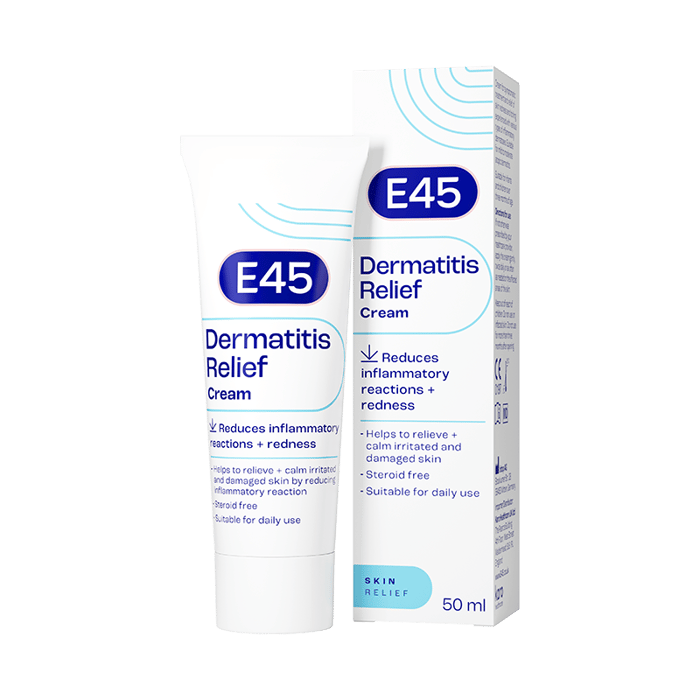
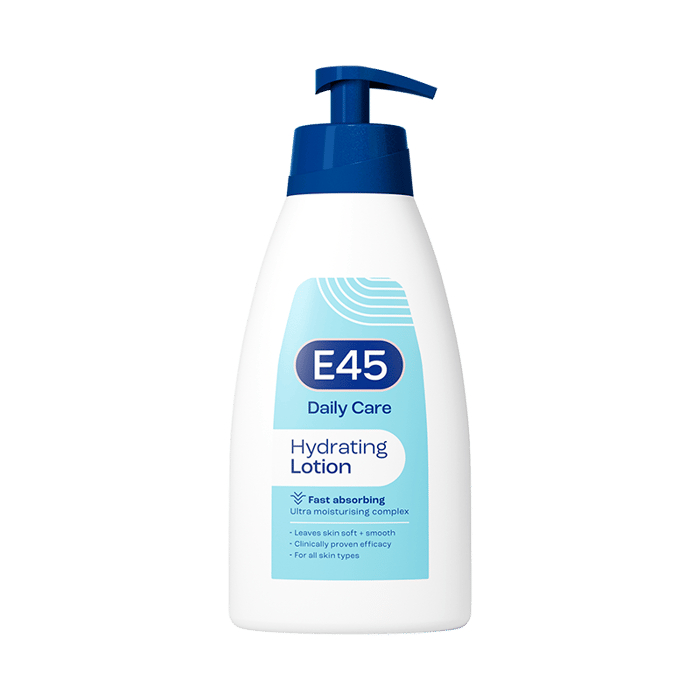
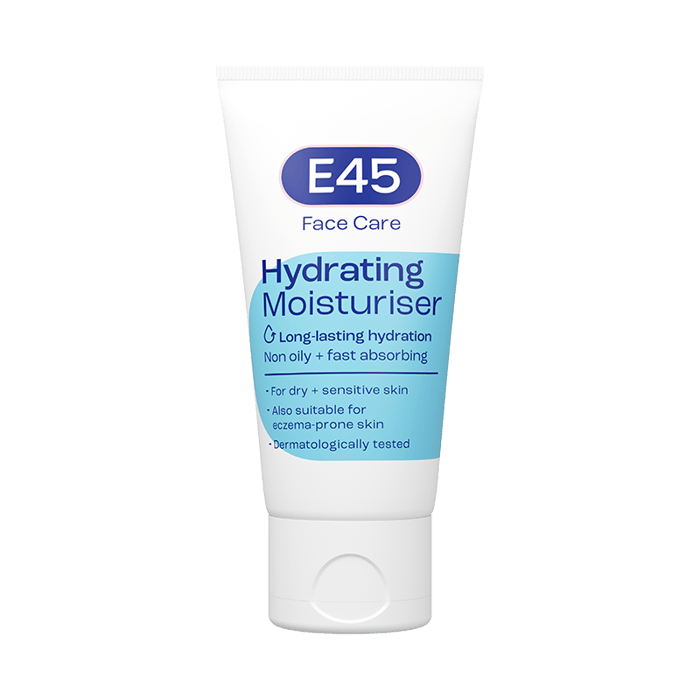
Emollients (moisturisers) are the daily foundation of managing discoid eczema; used regularly, they help keep the skin hydrated and support the skin barrier. When it comes to choosing a cream for discoid eczema, E45 Eczema Relief Cream or E45 Dermatitis Cream can help with this as part of a daily routine.
Unlike some other types of eczema, discoid eczema usually needs a stronger, more potent steroid cream to bring flare-ups under control, milder steroids typically aren’t strong enough. (Source)
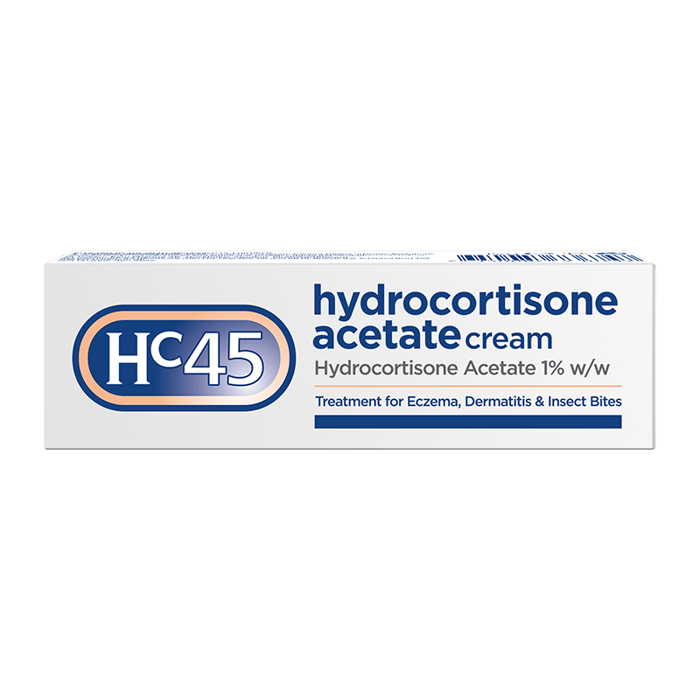
HC45 Hydrocortisone Cream may be suitable for milder patches, but for more stubborn or widespread discoid eczema, your GP or dermatologist may prescribe a more potent discoid eczema steroid cream, used as directed until the redness and swelling settles.
Antihistamines can help relieve itching, particularly at night. Non-steroid options, such as tacrolimus or pimecrolimus, may also help reduce inflammation. For discoid eczema that’s persistent or severe and doesn’t respond to these treatments, a dermatologist may consider specialist options such as phototherapy or, in resistant cases, biologic or immunosuppressant treatments, prescription-only, specialist-managed options. (Source)
Living with Discoid Eczema / Self-care
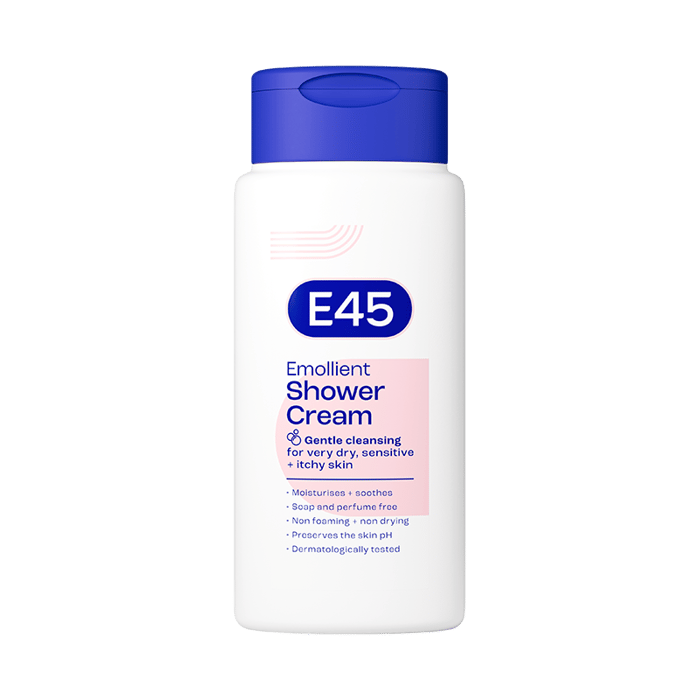
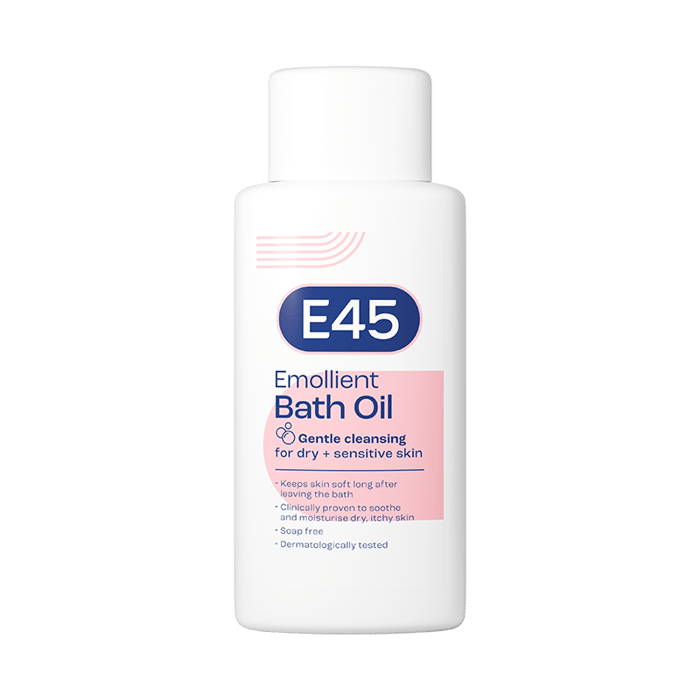
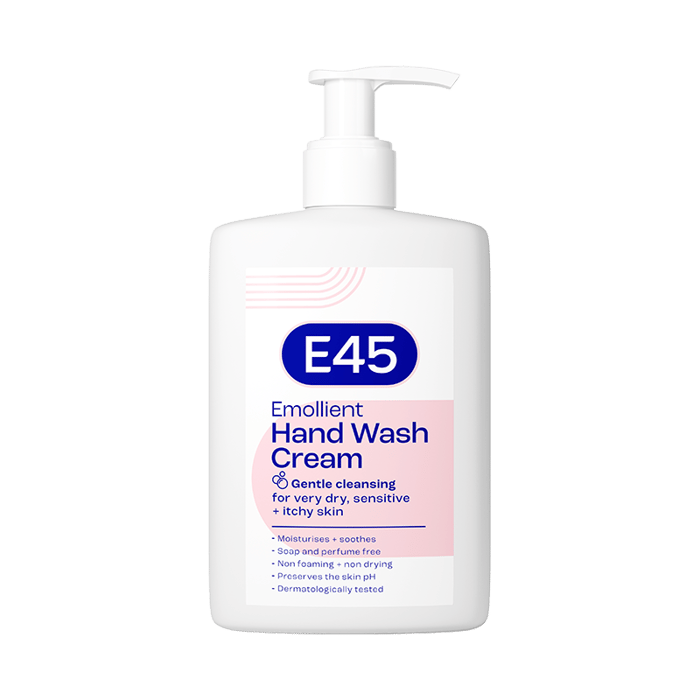
Wondering how to treat discoid eczema at home, alongside prescribed treatment? A few simple habits can help keep it under control. Avoid known irritants such as soap, detergents and fragranced products, and use an emollient as a soap substitute when washing. Protect your skin from minor cuts and grazes; gloves for washing up or gardening can help, since skin damage can trigger new patches. Avoid scratching, as this can break the skin and increase infection risk. At work or school, keep a supply of your emollient and prescribed treatment with you to stay on top of your routine.
Complications and Outlook
If the skin cracks or is scratched, there’s a risk of infection, which may need antibiotic treatment, so watch for increasing redness, weeping, swelling or crusting. Once patches clear, the skin can sometimes be left with temporary or, occasionally, permanent discolouration. (Source) Discoid eczema is a chronic, recurrent condition: with treatment, symptoms usually improve, but flare-ups can return, sometimes in the same area, so ongoing management is often needed.
When to Seek Medical Advice
Discoid eczema on its own isn’t a medical emergency, but see a pharmacist or GP if you think you have it, for an accurate diagnosis and appropriate treatment, mild topical steroids often aren’t strong enough on their own. Seek medical advice urgently if you notice signs of infection, such as increasing redness, weeping, swelling, or a yellow crust, as this may need antibiotic treatment.
FAQ: Discoid Eczema
What is discoid eczema?
Discoid eczema (also called nummular or discoid dermatitis) is a type of eczema that causes itchy, coin-shaped patches of inflamed skin, usually on the arms, legs or trunk.
Is discoid eczema the same as atopic eczema?
No. Discoid eczema is its own distinct type of eczema, though having atopic eczema, especially as a child, makes you more likely to develop it. The two look and behave differently, and discoid eczema usually needs a stronger steroid to treat.
What triggers discoid eczema flare-ups?
Dry skin, minor skin injuries, and contact with irritants such as soaps, detergents and fragranced products can all trigger or worsen a flare-up.
Why do I need a stronger steroid for discoid eczema?
Mild topical steroids usually aren’t potent enough to control discoid eczema. Most people need a potent or very potent steroid cream, prescribed and monitored by a GP or dermatologist, applied until the redness and swelling clears.
Does discoid eczema leave scars?
True scarring is uncommon, but the skin can sometimes be left with temporary or, occasionally, permanent discolouration after a patch clears. (Source)
How long does discoid eczema last?
Without treatment, patches can last weeks, months or even years, and often return in the same area. (Source) With the right treatment, flare-ups can usually be brought under control, though discoid eczema tends to be a long-term, recurring condition.
Is discoid eczema contagious?
No, discoid eczema is not contagious and cannot be passed from one person to another. (Source)