Scalp Psoriasis: Symptoms, Causes and Treatment
Scalp psoriasis causes raised, scaly plaques on the scalp that often spread beyond the hairline onto the forehead, the back of the neck and around the ears. It’s a common form of psoriasis, it isn’t contagious, and it can usually be well controlled with the right treatment. This guide explains what scalp psoriasis looks like, how to tell it apart from scalp eczema and dandruff, what causes it, whether it can cause hair loss, and how it’s treated.
Table of Contents
- What is Scalp Psoriasis?
- What Are the Symptoms of Scalp Psoriasis?
- Scalp Psoriasis, Scalp Eczema or Dandruff?
- What Causes Scalp Psoriasis?
- Does Scalp Psoriasis Cause Hair Loss?
- How Is Scalp Psoriasis Diagnosed?
- How Is Scalp Psoriasis Treated?
- How to Care for Your Scalp at Home
- When Should I See a Doctor?
- Scalp Psoriasis FAQs
What is scalp psoriasis?
Scalp psoriasis affects around half of people with psoriasis. (Source) It’s an autoimmune condition that causes the immune system to speed up skin cell turnover, leading to raised, scaly plaques on the scalp. These plaques commonly extend beyond the hairline onto the forehead, the back of the neck and around the ears, rather than staying neatly contained to the scalp itself. Scalp psoriasis can appear on its own or alongside psoriasis elsewhere on the body, and its severity varies widely, from a few mild, barely-noticeable patches to widespread, thick scaling that affects the whole scalp.
What Are the Symptoms of Scalp Psoriasis?
Scalp psoriasis typically appears as raised, well-defined plaques covered in silvery-white scales, most often across the crown, hairline and behind the ears. Itching is common and can range from mild to intense, and the affected skin may feel sore, tight or tender, especially if scratched. In more severe cases, scale can build up thickly and become firmly stuck to both the scalp and hair strands, a pattern known as pityriasis amiantacea (Source), which can make the scalp feel bound or heavy, and is harder to shift than everyday flaking.
Scalp Psoriasis, Scalp Eczema or Dandruff?
Scalp psoriasis, scalp eczema and dandruff can look similar at a glance, but there are some useful differences to look out for. Scalp psoriasis tends to form well-defined, raised plaques with a dry, silvery scale, often extending past the hairline. Scalp eczema usually looks more diffuse, with redness, itching and sometimes weeping, rather than distinct raised patches. Dandruff and seborrhoeic dermatitis typically produce a greasy, yellowish scale without the same raised, well-defined plaques, and tend to stay confined to the scalp itself. If you’re not sure which you have, our Scalp Eczema and Seborrheic Dermatitis pages cover those conditions in more depth, or see a GP for an accurate diagnosis.
What Causes Scalp Psoriasis?
Scalp psoriasis, like psoriasis elsewhere on the body, is an autoimmune condition: the immune system mistakenly speeds up skin cell turnover, causing cells to build up faster than they can shed. (Source) What triggers a flare varies from person to person, but common factors include stress, injury to the skin (including scratching), certain medications, and infections; a streptococcal throat infection, for example, can trigger a flare in some people. Genetics also play a role, and you’re more likely to develop scalp psoriasis if a close family member has psoriasis.
Does Scalp Psoriasis Cause Hair Loss?
Scalp psoriasis can cause hair to fall out, but this is usually temporary. Hair loss happens because of inflammation and scratching, rather than permanent damage to the hair follicles themselves, and hair typically grows back once the psoriasis is treated and the scalp has settled. (Source) It can take some time for regrowth to become noticeable, which understandably causes worry, but this is a normal part of the healing process rather than a sign of lasting damage. If you notice persistent, patchy hair loss that doesn’t recover even once your scalp has cleared, it’s worth getting this checked by a GP or dermatologist, as this warrants a closer look rather than just watching and waiting.
How Is Scalp Psoriasis Diagnosed?
Scalp psoriasis is usually diagnosed by a GP examining your scalp and taking your medical history into account, including whether psoriasis runs in your family. It’s often straightforward to identify from its appearance alone, but if there’s any doubt, or if your GP suspects a fungal infection or another scalp condition, they may take a skin scraping or refer you to a dermatologist for a closer look. Referral is also common if your scalp psoriasis is severe, widespread, or not responding to initial treatment.
How Is Scalp Psoriasis Treated?
There’s no cure for scalp psoriasis, but symptoms can usually be well controlled. Treatment typically starts with topical options: corticosteroid scalp applications to reduce inflammation, vitamin D analogues to help slow down skin cell turnover, and coal tar preparations to reduce scaling; these are often used in combination, or in rotation, depending on how your scalp responds. Medicated or descaling shampoos can help alongside these treatments. For more severe or stubborn cases that don’t respond well to topical treatment, a dermatologist may consider phototherapy or systemic (whole-body) treatments, similar to those used for psoriasis elsewhere on the body. Your GP or dermatologist will tailor your treatment plan to how severe your scalp psoriasis is and how it responds over time.
How to Care for Your Scalp at Home
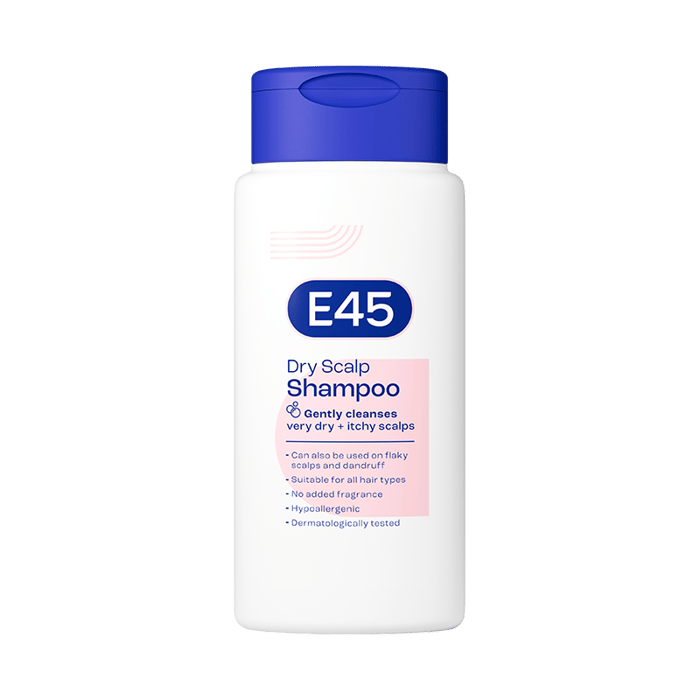
Resist the urge to pick or scratch off scale, as this can trigger more inflammation and, through the Koebner phenomenon, even more psoriasis. Instead, let prescribed treatment soften the scale gradually. When washing your hair, use a gentle, fragrance-free shampoo rather than scrubbing at your scalp; you may need to shampoo more often than usual to remove treatment residue, particularly with tar-based products. Dry your hair on a cool or low heat setting, as high heat can irritate an already sensitive scalp. If you use a paraffin-based scalp treatment, be aware it can soak into fabric such as pillowcases and pose a fire risk near naked flames (Source), wash bedding regularly and keep it away from lit cigarettes or open flames.
When Should I See a Doctor?
See a GP if you think you have scalp psoriasis, for an accurate diagnosis and to start appropriate treatment, or if your current treatment isn’t controlling your symptoms well. It’s also worth seeing a GP or asking for a dermatology referral if you notice persistent, patchy hair loss that doesn’t grow back once your scalp has cleared, as this is worth investigating rather than assuming it will resolve on its own.
Scalp Psoriasis FAQs
Is scalp psoriasis contagious?
No, scalp psoriasis is not contagious. It’s an autoimmune condition, not an infection, so it can’t be passed from one person to another through contact, shared combs, hats, or towels. It’s easy to see why people ask, since the visible scaling and redness can look like something that might spread, but the underlying cause is entirely internal.
Can scalp psoriasis be cured?
There’s currently no cure for scalp psoriasis, but it can usually be managed well with the right treatment. Most people find their symptoms improve significantly with topical treatment, even if flares happen from time to time. Because it’s a long-term condition, ongoing care, rather than a one-off fix, tends to give the best results.
Will my hair grow back?
In most cases, yes. Hair loss from scalp psoriasis is usually caused by inflammation and scratching rather than permanent damage to the hair follicles, so hair typically regrows once your scalp clears and the psoriasis is under control. It can take a little time for regrowth to become noticeable. If patchy hair loss persists once your skin has settled, it’s worth seeing a GP or dermatologist.
What’s the difference between scalp psoriasis and dandruff?
Scalp psoriasis causes well-defined, raised plaques with a dry, silvery scale, often extending past the hairline onto the forehead, neck or around the ears. Dandruff causes fine flaking without raised plaques, doesn’t typically cause redness or soreness, and stays confined to the scalp itself. If you’re unsure which you have, it’s worth getting it checked, since the right treatment differs between the two.
Can I dye or style my hair with scalp psoriasis?
Generally, yes, though it’s worth being gentle and patch-testing new products first, as some hair dyes and styling products can irritate an already sensitive scalp. Avoid colouring or chemically treating your scalp during an active, sore flare, and let your hairdresser know about your scalp psoriasis beforehand.