Perioral Dermatitis
Do you have a red, bumpy, or scaly rash around your mouth? If so, you may be experiencing perioral dermatitis, a common inflammatory skin condition that affects around 0.5–1% of people in developed countries (source). Episodes can last for several weeks or even months, and relapses are not uncommon. Fortunately, there are effective ways to manage the condition and restore skin comfort.
What is perioral dermatitis?
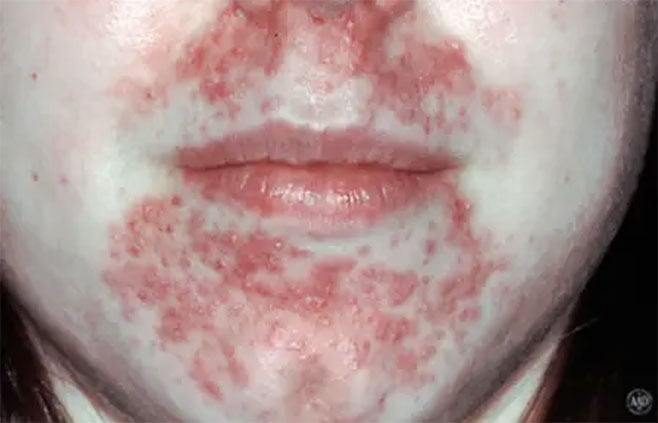
Perioral dermatitis is a type of inflammatory rash that appears mainly around the mouth, nose, and sometimes the eyes. The term literally means ‘inflammation around the mouth.’ When the rash spreads beyond the mouth to the nose or eye area, it may be called periorificial dermatitis.
The condition most often affects women between the ages of 15 and 45 (source), though anyone can develop it. It presents as clusters of small red or pink bumps that can cause burning, stinging, or mild itching.
While flare-ups can last for several weeks or even months, perioral dermatitis is treatable. With the right skincare routine, lifestyle adjustments, and professional guidance, most people achieve clear, comfortable skin and learn to prevent future relapses.
Symptoms of perioral dermatitis
Recognising the symptoms of perioral dermatitis early can help you manage flare-ups more effectively. The condition can vary in severity, but most people notice a combination of the following signs:
- Red bumps (papules) around the mouth: Small, inflamed spots or bumps are the most typical sign. These can resemble acne but usually appear in clusters near the mouth or nose.
- Burning or itching: Many people experience a mild burning or stinging sensation, and occasionally itching.
- Rash near the nose and eyes: The rash can spread to the folds around the nose or the skin surrounding the eyes, sometimes referred to as periorificial dermatitis.
- Fluid- or pus-filled bumps: In some cases, the spots may contain clear fluid or pus, especially when the skin is inflamed.
- Extension to other areas: Less commonly, the rash can spread to the forehead, cheeks, or under the chin, forming similar red bumps or patches.
While the appearance can be distressing, perioral dermatitis is not dangerous. With gentle skincare, appropriate treatment, and patience, most people notice a significant improvement within a few weeks.
If you recognise any of these symptoms, it’s best to seek advice from a healthcare professional or dermatologist for proper diagnosis and management.
Main causes and triggers of perioral dermatitis
The exact cause of perioral dermatitis isn’t fully understood, but several factors are known to increase the likelihood of developing it. Understanding and avoiding your personal triggers can significantly reduce flare-ups.
Here are the most common causes and contributing factors:
1. Topical or inhaled steroid use
Using steroid creams, ointments, or inhalers, especially on the face, can trigger or worsen perioral dermatitis.If you suspect steroids may be a trigger, speak to your doctor before discontinuing them to prevent rebound irritation.
2. Harsh cleansers, cosmetics, and make-up
Make-up, facial cleansers, and other cosmetics containing alcohol, strong fragrances, or preservatives can irritate the skin. Over-cleansing or exfoliating can also strip the skin’s protective barrier.
For sensitive or redness-prone skin, choose gentle, fragrance-free, and non-comedogenic products. You can read our guide on skincare for sensitive skin to learn more.
3. Environmental factors
Cold weather, wind, and UV exposure can all aggravate perioral dermatitis. Dry air and temperature changes may increase irritation and dryness around the mouth and nose. Regular moisturising and daily sun protection are key to prevention.
4. Fluoridated products
Products containing fluoride, such as some toothpastes, mouthwashes, and even chewing gum, can trigger flare-ups in susceptible individuals. If you notice your symptoms worsen after brushing, try switching to a fluoride-free toothpaste and observe whether your skin improves.
5. Microbial imbalance
Bacteria and yeast naturally present on the skin and in hair follicles can sometimes contribute to inflammation in perioral dermatitis. While this doesn’t mean the condition is infectious, it may explain why antibiotics are sometimes prescribed for treatment.
6. Hormonal changes and contraceptive pills
Fluctuating hormones, particularly in women using oral contraceptives, can influence the occurrence of perioral dermatitis. If you suspect a hormonal link, speak to your GP before making any changes to prescribed medication.
By identifying your triggers and using gentle skincare products, you can reduce irritation and help prevent future flare-ups.
How is perioral dermatitis diagnosed?
Because perioral dermatitis can resemble acne, rosacea, or eczema, it’s important to get a proper diagnosis from a healthcare professional. A qualified specialist can usually identify the condition through a visual examination and a few simple questions about your medical history and skincare routine.
Your diagnostic journey may include:
- Skin examination:
Your doctor will carefully inspect the affected area to assess the distribution and appearance of the rash. Perioral dermatitis typically presents as clusters of small red or pink bumps around the mouth, nose, or eyes. - Discussion of medical history:
You may be asked about topical products you use, any recent steroid creams, contraceptive use, or changes in skincare or toothpaste. These details often help pinpoint possible triggers. - Skin swab or culture test:
If the diagnosis is unclear or infection is suspected, your doctor may take a simple swab of the affected skin. This painless test checks for bacteria or yeast to rule out other causes. - Skin biopsy (in rare cases):
If symptoms don’t respond to standard treatments, a small skin sample may be taken for microscopic analysis to confirm the diagnosis.
Early diagnosis and treatment are key to relieving symptoms and preventing flare-ups. Avoid self-diagnosing or using strong steroid creams without medical advice, as these can worsen the condition over time.
Is perioral dermatitis contagious?
Perioral dermatitis is not contagious. It cannot be spread from one person to another through touch, sharing personal items, or close contact. The red bumps and rash seen in perioral dermatitis are caused by inflammation within the skin, not by bacteria, viruses, or fungi that can be transmitted. This means you don’t need to worry about passing it on to family members or friends.
Even though the condition isn’t infectious, it can still be uncomfortable and affect confidence. Managing it with gentle skincare, identifying triggers, and following medical advice are the best ways to calm symptoms and prevent flare-ups.
What is the best perioral dermatitis treatment?
The best treatment for perioral dermatitis depends on how severe your symptoms are, which areas are affected, and whether you’ve had flare-ups before. In most cases, symptoms improve with gentle skincare, lifestyle adjustments, and, if necessary, medical treatment. Here are the main treatment options and self-care strategies recommended by dermatologists:
1. Over-the-counter treatments
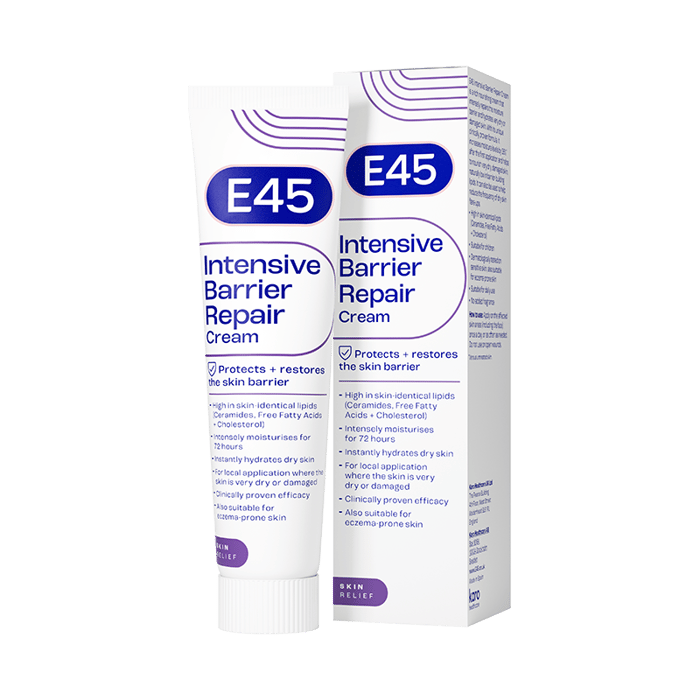
Ask your pharmacist about suitable over-the-counter options that can help reduce redness, soothe irritation, and improve your skin’s natural barrier. Avoid steroid creams unless specifically prescribed, as they can make the condition worse in the long term.
2. Gentle skincare products
A gentle skincare routine is essential for managing perioral dermatitis. Choose fragrance-free, non-comedogenic products that won’t clog pores or strip the skin. If you wear make-up, opt for light, breathable formulations designed for sensitive skin, and always remove make-up before bed. Avoid products with harsh chemicals, alcohol, or strong scents.
3. Lifestyle and daily habits
Making small changes to your everyday routine can significantly improve symptoms and reduce flare-ups.
Helpful lifestyle changes include:
- Limit spicy, salty, or acidic foods: These can irritate the skin around your mouth.
- Cleanse gently: Wash your face with lukewarm water and a mild cleanser once or twice a day. Avoid scrubbing.
- Minimise heavy make-up: Oil-based or occlusive products can worsen breakouts.
- Use sun protection: Apply a fragrance-free sunscreen daily, as UV light can aggravate the condition.
- Reduce stress: Practice relaxation techniques such as meditation, yoga, or deep breathing.
- Watch your diet: A balanced diet and awareness of potential food triggers can help.
- Avoid fluoride toothpaste: Switch to a fluoride-free toothpaste if you notice worsening after brushing.
- Maintain hygiene: Regularly clean items that touch your face, such as pillowcases, phone screens, and make-up brushes.
- Stay hydrated: Drink plenty of water throughout the day to support overall skin health.
- Review hormonal medications: If you suspect a link with oral contraceptives, discuss options with your doctor.
4. Prescription medications
If your perioral dermatitis is severe or persistent, your GP or dermatologist may prescribe topical or oral antibiotics. These help reduce inflammation and restore the skin’s natural balance. Treatment courses typically last several weeks, and consistency is key for best results.
By combining medical treatment with gentle, consistent skincare and lifestyle management, most people find their skin gradually returns to normal – and flare-ups become less frequent over time.
Living with perioral dermatitis
Living with perioral dermatitis can be both physically and emotionally challenging. The visible redness, bumps, and irritation can affect confidence, while the discomfort, such as itching or burning, can make daily routines more difficult. The good news is that, with consistent care and professional guidance, perioral dermatitis can be effectively managed.
Practical tips for daily management:
- Be gentle with your skin: Avoid over-cleansing or scrubbing. Stick to mild, fragrance-free skincare products.
- Keep your routine simple: Use a gentle cleanser, a light non-comedogenic moisturiser, and, if needed, prescribed treatments.
- Don’t give up too soon: It can take several weeks for improvements to appear. Consistency is more important than speed.
- Avoid “quick fixes”: Over-the-counter steroid creams may seem to help initially, but often make perioral dermatitis worse once stopped.
- Address emotional wellbeing: Visible skin conditions can affect mood and self-esteem. Speaking to others with similar experiences—through online support groups or forums – can help.
Perioral dermatitis flare-ups can come and go, but over time, most people find they become less frequent and easier to control. With patience, the right skincare, and support from a dermatologist, you can maintain clearer, more comfortable skin and regain confidence.
Conclusion
Perioral dermatitis may be a persistent and sometimes frustrating skin condition, but it is highly manageable. By recognising symptoms early, identifying personal triggers, and adopting a gentle skincare routine, you can significantly reduce flare-ups and improve skin comfort.
Professional advice plays a vital role in achieving long-term relief. A dermatologist or GP can help create a tailored treatment plan, whether that includes prescription medication, skincare adjustments, or lifestyle changes.
Most importantly, perioral dermatitis doesn’t have to control your life. With consistent care, supportive habits, and patience, your skin can recover and stay clear for longer periods. Remember, you’re not alone, millions experience this condition, and effective help is available.
Perioral dermatitis FAQs
What triggers perioral dermatitis?
Perioral dermatitis is commonly triggered by topical or inhaled steroids, as well as certain cosmetic and skincare products. Heavy moisturisers, make-up, fluoride-containing toothpaste, sun creams, and hormonal birth control can also contribute to flare-ups.
How do you get rid of perioral dermatitis?
Treatment typically involves stopping any potential triggers and following a simple, gentle skincare routine. Topical or oral antibiotics prescribed by your doctor can also help reduce inflammation and clear the rash. Avoid using steroid creams on your face unless specifically advised by a healthcare professional.
What is the fastest way to cure perioral dermatitis?
There is no instant cure, but the fastest way to calm symptoms is usually through prescription antibiotics combined with avoiding irritants and harsh skincare products. Consistency and patience are key, skin often improves gradually over several weeks.
What foods can make perioral dermatitis worse?
While food doesn’t directly cause perioral dermatitis, certain foods can aggravate symptoms in some people. Common irritants include spicy or salty foods, citrus fruits, tomatoes, alcohol, dairy products, and very hot drinks. Keep a food diary to help identify any patterns.
Can perioral dermatitis go away on its own?
Yes, in some cases, particularly if the cause is topical steroid use, perioral dermatitis can improve once the steroid is stopped. However, this process can take several weeks, and symptoms may temporarily worsen before getting better. Professional guidance can help speed recovery and reduce discomfort.
How long does a perioral dermatitis flare-up last?
Flare-ups can last anywhere from a few weeks to several months, depending on severity and treatment consistency. Early intervention and gentle skincare can shorten recovery time and help prevent future relapses.
What vitamins are good for perioral dermatitis?
Vitamins C, D, and E support healthy skin and may aid recovery by reducing inflammation and promoting barrier repair. Always consult your doctor before taking supplements to ensure they are safe and appropriate for your needs.